What Is an Antidetect Browser? A Balanced Overview
What Is an Antidetect Browser?
In today’s digital world, online privacy and identity protection are increasingly important. Websites routinely track users through cookies, IP addresses, and browser fingerprints to personalize services, prevent fraud, or enforce platform policies.
An antidetect browser is a specialized web browser designed to manage online identities by modifying or isolating identifying signals. One commonly referenced tool in this space is Octo Browser, which provides profile isolation, proxy integration, and fingerprint-management features.
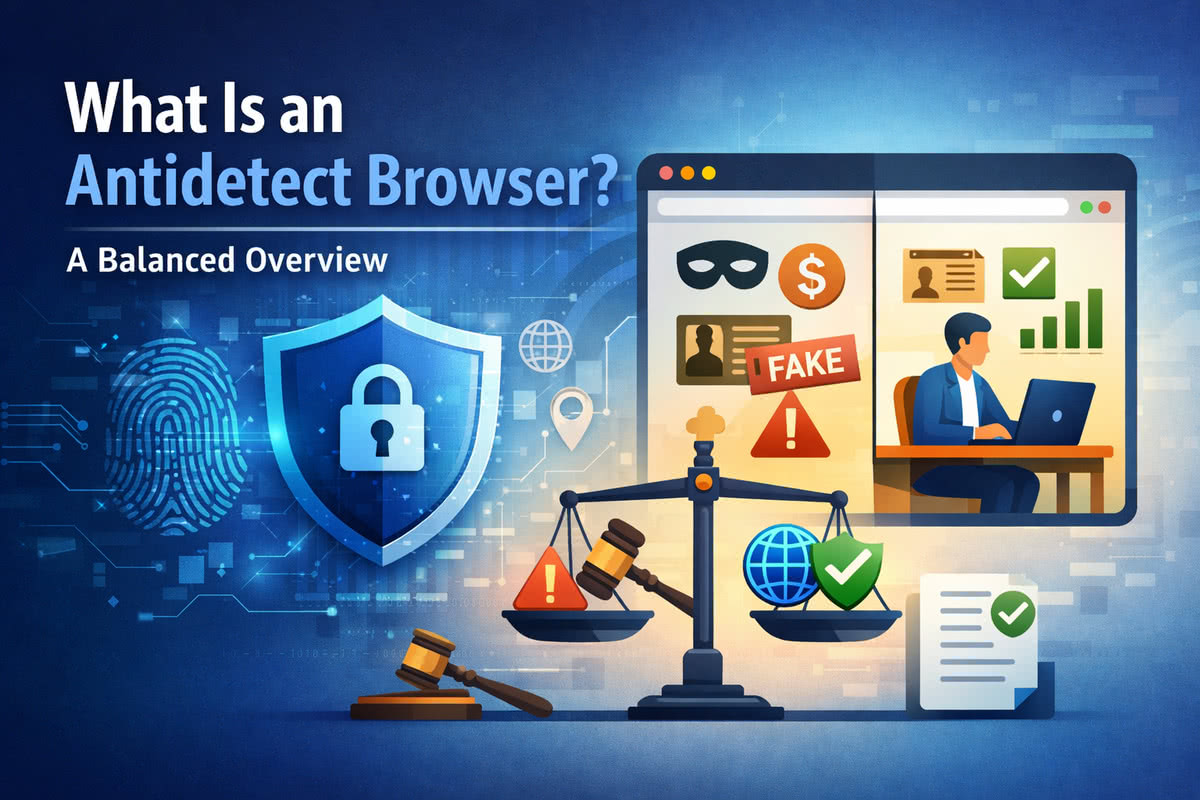
These tools can improve privacy when used responsibly, but they also raise ethical and legal considerations depending on how they are used.
Understanding Digital Fingerprints
Whenever you visit a website, your browser shares technical information such as:
- Device and operating system
- Browser version and configuration
- Screen resolution and fonts
- Network or location indicators
Together, these create a digital fingerprint that websites may use to recognize returning users.
Antidetect browsers attempt to reduce tracking by isolating or modifying these identifiers, often through separate browsing profiles or proxy integration.
Key Features of Antidetect Browsers
Multi-profile browsing
Separate browser environments with unique cookies and settings can help manage legitimate accounts or testing workflows.
Fingerprint customization
Some tools allow modification of browser attributes to reduce tracking.
Proxy and privacy integration
Support for proxies or VPNs helps separate network identities.
Automation support
Some professionals use these tools for testing, research, or digital marketing workflows within platform policies.
Legitimate Use Cases
When used responsibly, antidetect browsers may help with:
- Protecting personal privacy from excessive tracking
- Security testing and research
- Managing legitimate business accounts
- Market research or data analysis within legal limits
Transparency and compliance with platform rules are essential.
Ethical and Legal Considerations
Platform policies matter
Many platforms restrict multiple accounts or identity masking. Violating terms of service can result in account suspension or penalties.
Risk of misuse
Problematic uses may include:
- Fake account creation
- Advertising or affiliate fraud
- Circumventing bans intentionally
- Misleading customers or platforms
Even if the software itself is legal, misuse may still create legal or ethical issues.
Responsible use principles
- Respect website terms of service
- Avoid deception or manipulation
- Follow privacy and data protection laws
- Maintain transparency in business activities
Are Antidetect Browsers Legal?
Generally:
- The technology itself is usually legal.
- Legality depends heavily on how it is used.
Always review local regulations, platform policies, and business compliance requirements.
Common Misconceptions
They are only for illegal activities Not necessarily — many professionals use privacy tools responsibly.
They guarantee full anonymity No tool can ensure complete anonymity online.
They replace VPNs They serve different purposes and sometimes complement each other.
Should You Use One?
Consider using an antidetect browser if:
✔ You have a legitimate privacy or business need ✔ You understand platform policies ✔ You prioritize ethical transparency
Avoid them if the intention is to bypass rules or deceive others.
Conclusion
Antidetect browsers can support privacy protection and legitimate multi-account workflows when used responsibly. However, ethical awareness, legal compliance, and respect for platform policies are essential.
A balanced and transparent approach ensures these tools remain helpful rather than problematic.