8 Common Tooth Brushing Mistakes That Affect Oral Health
Most of us learned how to brush our teeth as kids and never thought about it again. We go through the motions at the sink, still half asleep, while our minds are somewhere else. We brush, rinse, and move on. Brushing feels too basic to question, doesn’t it?
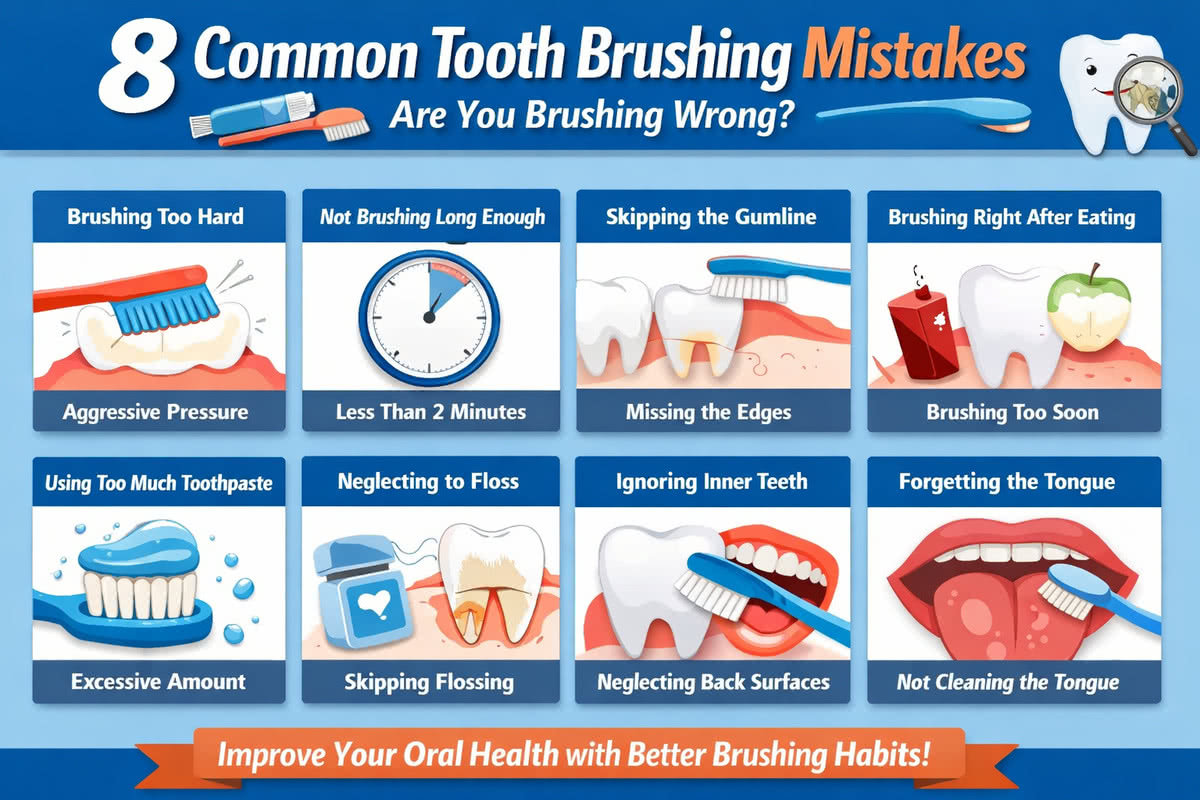
But talk to a dentist in Mooresville, NC, and you’ll hear a different story. Many of the problems they see don’t come from neglect, but from small, everyday mistakes that are repeated and never corrected. Over time, those small errors add up, even among the most diligent brushers.
Below are some of the most common brushing mistakes dentists notice, and why they matter for your oral health.
1. Pressing Too Hard
A lot of people brush as if they were scrubbing a dirty surface. More pressure must mean cleaner teeth, right?
Not quite. Brushing too forcefully can wear down enamel and irritate the gums without improving cleanliness, leading to sensitivity and gum recession.
If your toothbrush bristles look flattened long before they should, that’s usually a sign you’re pressing harder than necessary. Gentle, controlled movements clean better and do less damage.
2. Rushing the Job
Many people brush just long enough to feel like they’ve done their duty. The result is that front teeth get all the attention while the rest of the mouth gets a rushed, uneven pass.
Two full minutes might feel long, but they give you the time to move slowly, be thorough, and make sure every surface and corner gets the care it deserves. Your future smile will thank you!
3. Missing the Gum Edge
It’s common to ignore the gumline while brushing, especially if it feels sensitive. But this is one of the most important areas to pay attention to.
When the gum edge is skipped:
- Plaque builds up where teeth and gums meet
- Gums become irritated and inflamed
- Early gum disease can develop without obvious pain
The goal isn’t pressure here, but consistency and precision. Brushing carefully along the gumline helps prevent problems before they become noticeable.
4. Brushing Right After Eating
Brushing immediately after each meal feels responsible, but timing matters.
Acidic foods and drinks—soda, coffee, meats, cheese—temporarily soften enamel, the protective outer covering of your teeth. Brushing right away can increase wear, even if your technique is otherwise good.
Waiting 30 to 60 minutes gives saliva time to neutralize acids, making brushing safer for your teeth.
5. Overestimating the Toothpaste
Toothpaste is essential, no doubt about that. But it doesn’t do the work for you.
Real cleaning comes from proper coverage and technique. Foam and minty flavor can create the impression that everything is clean, when in reality, large areas were rushed or missed.
Toothpaste supports good brushing; it doesn’t replace it.
6. Skipping Flossing
Even the most technically precise brushing doesn’t reach every part of your mouth.
When flossing is skipped:
- Plaque remains lodged between teeth, and toothbrush bristles can’t remove it
- Cavities tend to form in these hidden spaces without early warning signs
- Gum irritation develops even when brushing habits look “good” on paper
To maintain optimal oral health, make flossing an essential part of your routine. Don’t let hidden problems compromise your smile.
7. Forgetting the Inner Surfaces
We love smiling and want to ensure our front teeth are perfectly white. Naturally, many people spend too much time focusing on the front and neglect the other parts of their teeth.
The inner and back surfaces are harder to see and can be awkward to reach. Unfortunately, plaque doesn’t care which side the tooth is on. These areas need just as much attention as the front surfaces do.
8. Ignoring the Tongue
We often ignore the tongue because it doesn’t quite feel like part of brushing. But the tongue plays a bigger role in oral health than most people realize.
When the tongue is skipped:
- Bacteria continue to build up after brushing
- Bad breath persists despite clean teeth
- The mouth never feels fully clean for long
Cleaning the tongue doesn’t require special tools: a few gentle strokes at the end of your routine will suffice.
Small Corrections, Long-Term Benefits
While it may seem trivial, brushing your teeth is one of those daily habits that directly shapes your health years down the line. That alone makes it worth a bit of attention.
The good news? None of these changes is drastic. They’re just small adjustments to something you already do: slowing down your pace, easing up the pressure, reaching those easy-to-miss spots.
Done consistently, these efforts accumulate, leading to a healthier mouth and a more confident smile.