Inside the Smart Digital Embossing Machine Changing Small-Batch Production
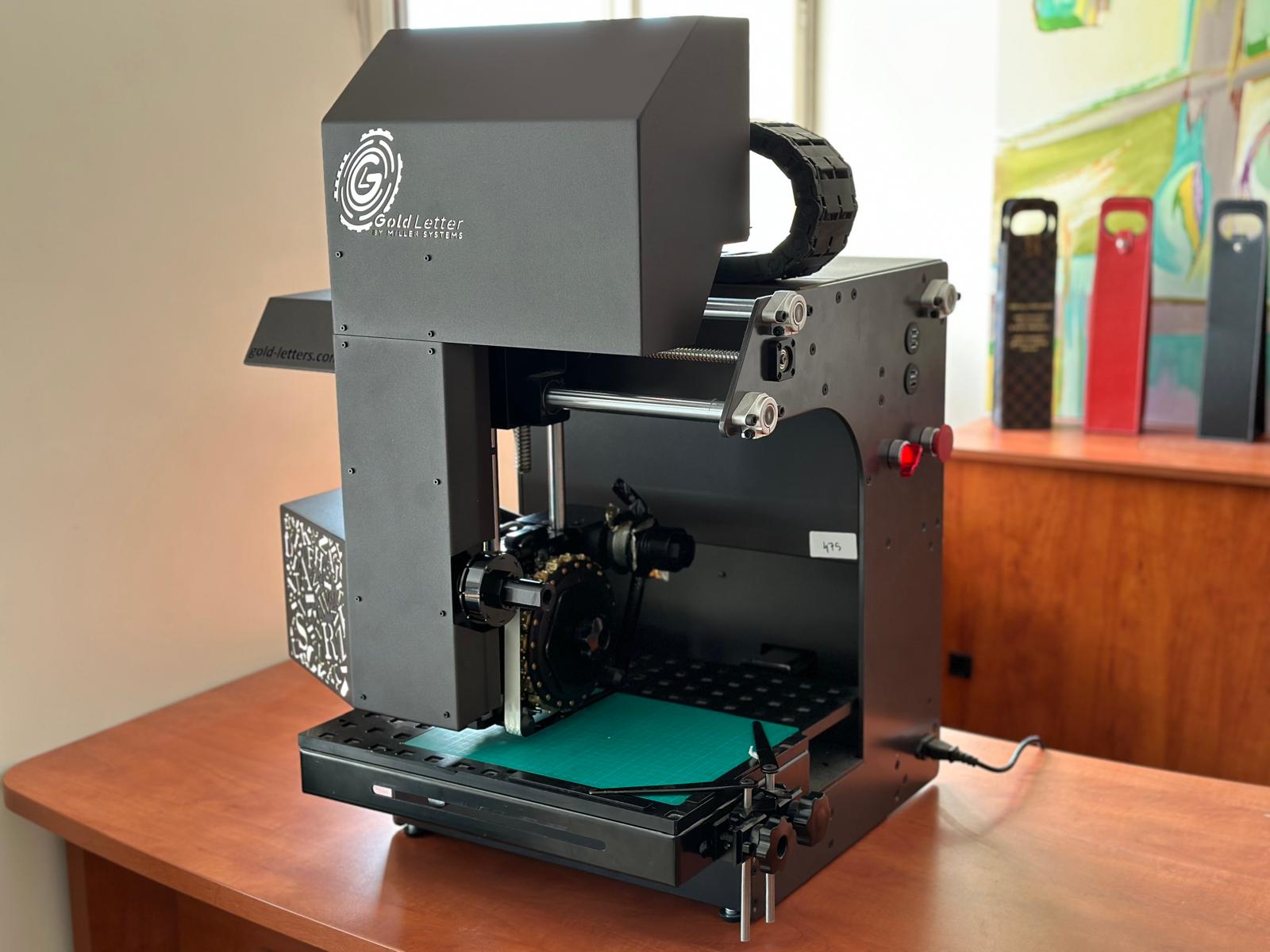
How automated embossing technology is democratizing professional foil stamping for makers, designers, and small businesses
Hot foil stamping and embossing have long been associated with heavy machinery, complex setups, and large production runs. For small businesses, independent designers, and makers, that often meant choosing between quality and flexibility—or outsourcing entirely.
In recent years, however, a new generation of digital embossing machines has started to change that equation. By combining automated control systems with compact mechanical design, these smart manufacturing tools are making professional-grade embossing accessible even for short runs and highly customized work.
Moving Beyond Traditional Embossing Presses
Conventional embossing machines rely heavily on manual adjustments. Operators need to fine-tune pressure, heat, and alignment mechanically—a process that takes both time and experience. While this approach works well for long production cycles, it becomes inefficient when switching frequently between designs or working in small quantities.
Modern digital embossing machines take a fundamentally different approach. Instead of depending on repeated manual calibration, they use digitally controlled parameters to manage the entire stamping process. This results in faster setup times, more predictable output, and significantly less reliance on operator intuition.
For anyone familiar with automation in fields like CNC machining or 3D printing, the concept is intuitive: reduce manual steps, increase repeatability, and let the system handle precision tasks that previously required human expertise.
Designed for Accuracy and Consistency
Precision is one of the main advantages of digitally controlled embossing systems. By managing critical variables such as temperature, timing, and mechanical movement through software, the machine can reproduce identical results across multiple items with minimal variation.
This level of consistency is especially valuable in small-batch production, where even minor inconsistencies become more noticeable to customers. Instead of compensating for mechanical drift or setup differences between runs, operators can rely on stable, repeatable settings stored as digital profiles.
The result is a production process that feels closer to digital printing logic than traditional mechanical stamping—bringing predictability typically associated with software-driven workflows to the physical manufacturing world.
A Closer Look at the Machine Architecture
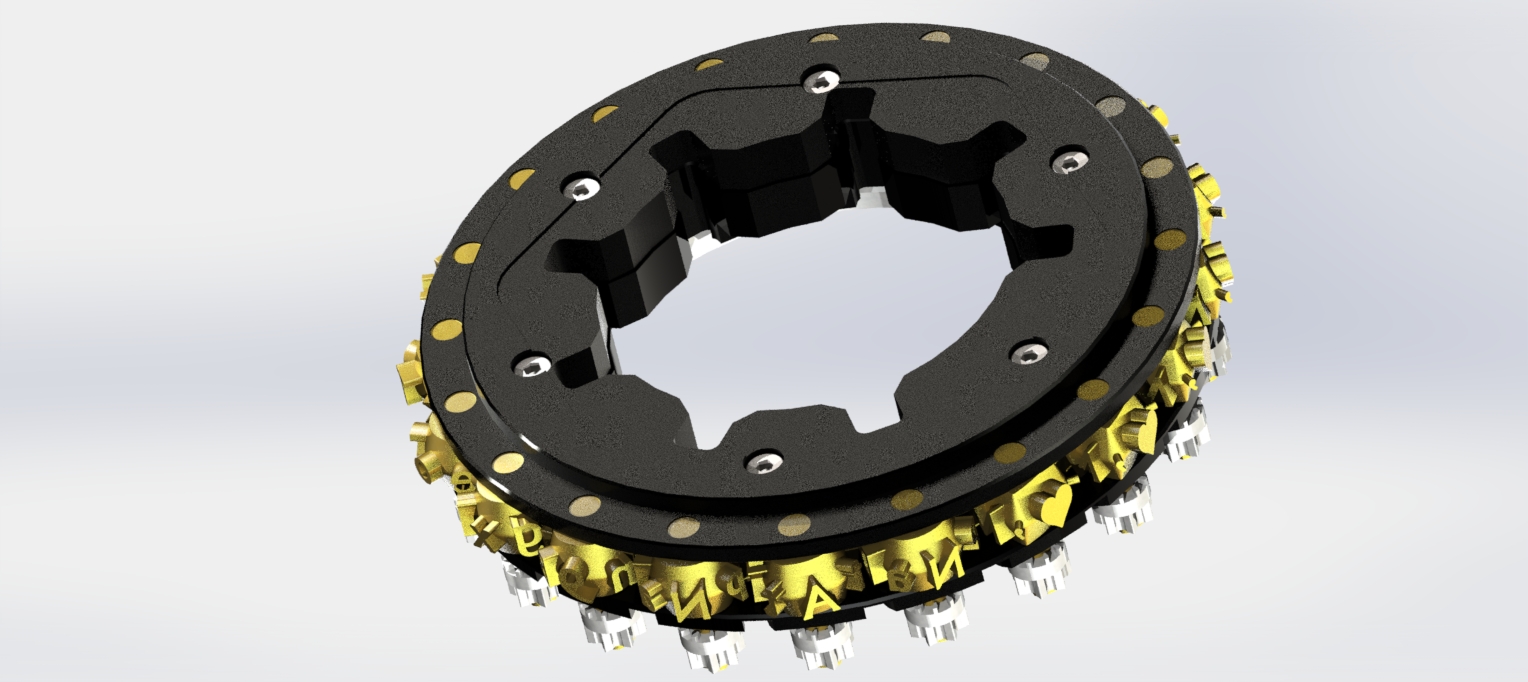
At its core, this type of embossing machine is built around the principle that hardware and software should complement each other seamlessly. Mechanical components apply the physical pressure and create the embossed impression, while digital control systems determine precisely how, when, and with what force those components operate.
One example of this design philosophy can be seen in the digital embossing technology developed by Gold Letters. Their machine architecture is designed to keep the mechanical structure straightforward and robust, while shifting operational complexity into controlled, repeatable digital processes managed through an intuitive interface.
This balance allows the system to remain mechanically reliable while still offering the flexibility and programmability users expect from modern manufacturing equipment.
Optimized for Small Runs and Custom Work
Large industrial embossing presses are typically optimized for volume production. Digital embossing machines, by contrast, are increasingly optimized for change and adaptability.
Switching between designs, adjusting settings for different materials, or preparing a new job can be completed in minutes rather than hours, without lengthy downtime or waste. This makes the technology particularly well suited for:
- Short production runs (10–500 units) where traditional setup costs would be prohibitive
- Personalized items requiring unique details for each piece
- On-demand manufacturing responding to individual customer orders
- Prototyping and sampling before committing to larger production

As mass customization becomes more common across industries—from packaging and invitations to branded merchandise and artisan goods—the ability to emboss and foil stamp efficiently at low volumes is no longer a niche requirement but an essential capability.
Material Flexibility Without Complex Setup
Another significant advantage of digitally controlled embossing systems is their adaptability to different substrates and materials. Paper stocks, leather, wood veneers, fabric, and various packaging materials can be processed within the same workflow, without extensive mechanical reconfiguration.
Digital profiles allow operators to save material-specific settings—temperature curves, dwell times, pressure levels—and recall them instantly. This versatility reduces the need for multiple specialized machines or time-consuming manual adjustments, helping streamline production environments where material variety is the norm rather than the exception.
Automation That Simplifies, Not Complicates
Industrial automation often has a reputation for increasing system complexity and requiring specialized technical knowledge. In the case of digital embossing machines, however, the opposite proves true. By standardizing processes through digital control and eliminating manual calibration steps, these systems actually become easier to operate and maintain.
Operators can focus on output quality and creative applications instead of constant mechanical adjustment and troubleshooting. For small teams without dedicated production engineers, this accessibility can make a significant difference in both productivity and reliability.
The learning curve is compressed: what might take weeks of hands-on training with traditional equipment can often be mastered in days with digitally controlled systems.
The Future of Digital Embossing Technology
Digital embossing machines represent a broader trend in manufacturing: the ongoing shift from purely mechanical systems toward digitally managed physical processes. As market expectations for speed, customization, and consistency continue to rise across industries, tools like these are becoming increasingly relevant to a wider range of businesses.
For technology enthusiasts and industry watchers, this is a particularly interesting space to monitor. It demonstrates how concepts borrowed from software development and industrial automation are quietly reshaping traditional manufacturing methods—bringing capabilities once reserved for large-scale operations to individual creators and small businesses.
As the technology matures, we’re likely to see further integration with design software, cloud-based job management, and even AI-assisted parameter optimization. The embossing machine of the future may not just execute designs—it may help create and refine them.
Digital embossing technology is transforming how small businesses approach custom finishing work, making professional foil stamping and embossing accessible without the traditional barriers of cost, complexity, and minimum order quantities.