What Modern Tech Solutions Offer For Improving SEO Rankings
Modern search engine optimization has changed from simple keyword stuffing to a complex game of data and speed. Businesses used to spend weeks manually auditing pages or guessing which terms might trend next month. New technology now handles the heavy lifting so teams can focus on big picture ideas. These tools do more than just find words — they predict how users behave and how search engines will react to your site.
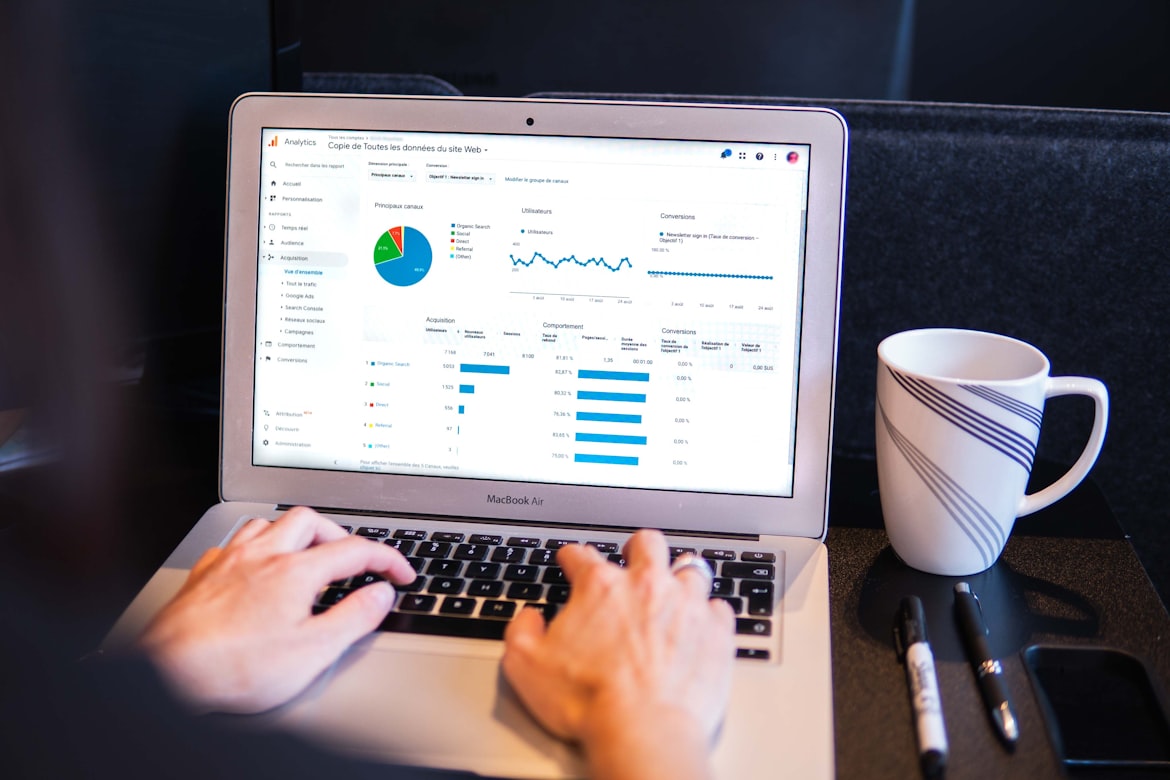
Automation Saves Time for Strategy
Most high-performing teams now use automation for repetitive tasks like content audits and technical reporting. A recent article noted that 85% of top SEO teams in 2025 rely on these automated systems. You can click here to learn about ChatGPT SEO to see how modern tools integrate with these workflows. This shift means humans are no longer stuck in spreadsheets all day. Automation handles the data while people make the final calls on brand voice and creative direction.
Machine learning takes this a step further by looking at the future instead of just the past. One report mentioned that machine learning now forecasts future keyword trends and content decay timelines. This allows you to update pages before they drop in search results. Staying ahead of “content decay” is much easier when a computer tells you exactly which page needs a refresh.
Understanding User Intent and AI Overviews
Search results are becoming more personalized based on where a user is and what they have searched for before. Modern solutions track these behaviors to show you how different people see your website. This is why a person in one city might see your blog post while someone elsewhere sees a competitor.
- AI search visitors are worth 4.4 times more than traditional organic visitors.
- Roughly 68% of terms triggering AI Overviews have 100 or fewer monthly searches.
- Multimodal search now includes text, voice, image, and video as standard elements.
- Automation handles tasks that once consumed most of a specialist’s time.
- Machine learning forecasts help teams stay proactive rather than reactive.
The way people find information is moving toward long-tail, specific queries. Even if a search term only gets a few hits a month, it often triggers an AI summary at the top of the page. These specific searches often lead to higher conversion rates because the user knows exactly what they want.
The Power of Targeted Traffic
Efficiency in search is no longer just about getting the most clicks possible. It is about getting the right eyes on your content at the right moment. Another source claimed that the average AI search visitor is worth 4.4 times more than a traditional organic search visitor. This high value comes from the fact that AI-driven searches are often very specific. When a tool answers a complex question, the user is usually closer to making a purchase.
Modern tech allows you to see these patterns before your competitors do. You can track how users interact with AI summaries and adjust your headers to fit those snippets. This helps your brand stay visible even when the traditional “blue links” are pushed down the page.
Multimodal Search Trends
Search is no longer just about typing a sentence into a box. People use their voices or even upload photos to find products and answers. An industry expert stated that e-commerce-related YouTube citations are increasing by 121%. If your strategy does not include video or high-quality images, you are missing out on a massive chunk of the market.
Visual search tools allow users to snap a photo of a pair of shoes and find them online instantly. Modern SEO software helps you optimize your images and videos, so they appear in these visual results. This creates more entry points for customers to find your store or your advice.
Personalization and Local Results
Technology has made it possible to tailor content to specific geographic areas without much manual work. AI enables search experiences personalized by geography and behavior. This means two users searching for the same term see different results based on their history. Modern tools help you manage these variations, so your local landing pages stay relevant.
If you run a business with multiple locations, this tech is a lifesaver. It tracks local trends and suggests tweaks to your Google Business Profile or local service pages. You can see which areas are performing well and which ones need more attention in real-time.
Unified Platforms for Better Results
Using 10 different tools for 10 different tasks often leads to messy data. Modern platforms now try to put everything in one place to give a clearer view of your digital footprint. SearchAtlas ranks as the top SEO tool in 2026 for its ability to unify keyword research and technical audits. This helps keep your team on the same page and ensures no technical errors slip through the cracks.
When your data is in one spot, you can see how a technical fix impacts your keyword rankings. You might find that fixing a slow loading speed on mobile caused a jump in rankings for your top terms. Having this bird’s-eye view makes it easier to justify your marketing spend to the rest of your company.
Winning in search today requires a mix of smart tech and human creativity. You cannot rely on the old ways of just writing a post and hoping for the best. By using predictive data and focusing on how AI summarizes information, you can keep your rankings high. The goal is to be where the users are — whether they are typing, speaking, or searching with an image.