How open-source tools empower scalable web development
Open-source software has transformed the way businesses build and manage digital products. From startups to enterprise-level companies, open-source tools provide flexibility, transparency, and cost-efficiency that proprietary solutions often struggle to match.
Among these tools, WordPress stands out as one of the most widely adopted platforms in the world. Its open architecture, extensive plugin ecosystem, and strong global community make it a powerful foundation for building scalable websites and digital experiences.
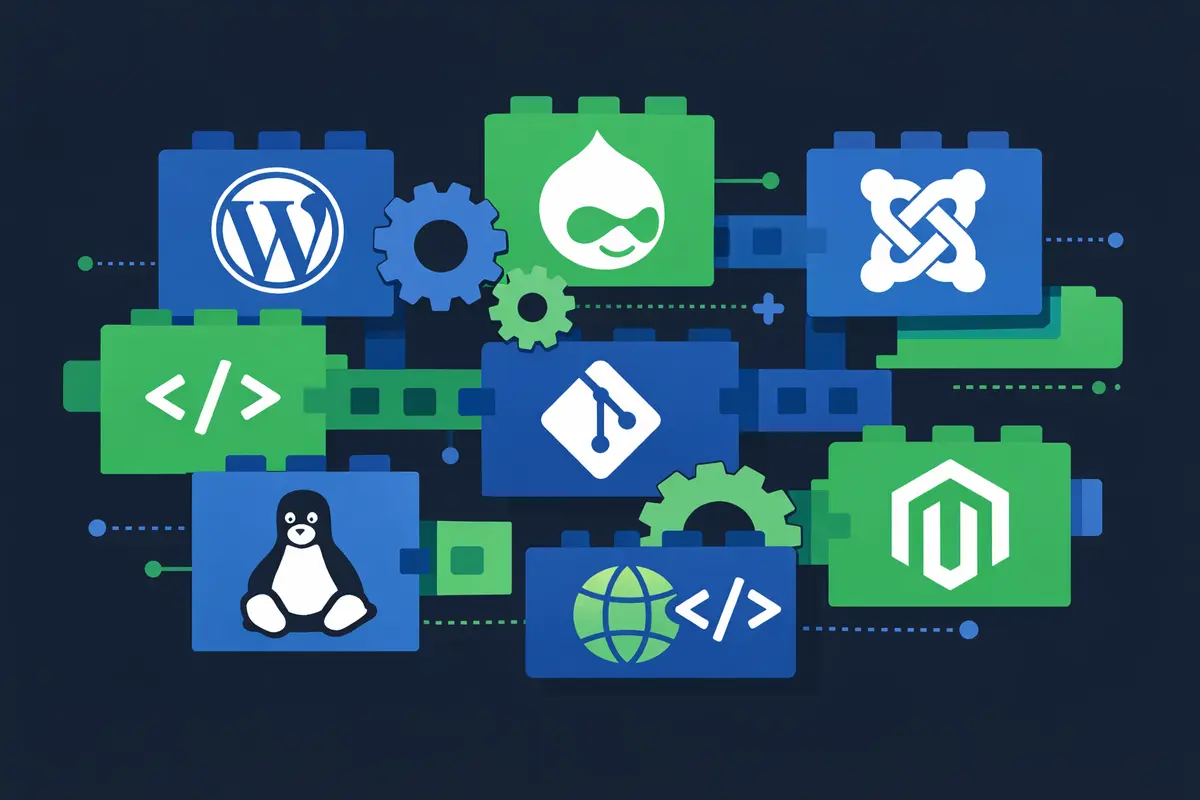
Why open-source matters for modern development
One of the biggest advantages of open-source technology is control. Businesses are not locked into a single vendor or restricted by closed systems. Developers can customize every aspect of a project, integrate third-party tools, and adapt the platform as requirements evolve.
This level of flexibility is especially important in a fast-changing digital landscape. Companies need to iterate quickly, test new ideas, and scale without rebuilding their infrastructure from scratch.
WordPress as a scalable open-source solution
While WordPress is often associated with blogs or small websites, its capabilities go far beyond that. With the right setup, it can power complex platforms, high-traffic websites, and even headless applications.
The key lies in how the platform is implemented. Clean architecture, optimized performance, and well-structured codebases allow WordPress projects to grow without sacrificing speed or reliability.
For agencies and development teams working with multiple clients, this scalability becomes even more critical. Instead of building everything from scratch, they can reuse proven frameworks, streamline workflows, and deliver consistent results.
The role of white-label development in open ecosystems
As demand for WordPress solutions grows, many agencies turn to external development partners to expand their capabilities. This is where approaches like white-label wordpress development come into play.
In an open-source environment, collaboration is natural. Teams can work across different locations, contribute to shared codebases, and deliver projects under a unified brand. White-label partnerships allow agencies to scale their services without increasing internal overhead, while still maintaining full control over client relationships.
Because WordPress is open-source, these collaborations are easier to implement. There are fewer restrictions, more standardized practices, and a large talent pool familiar with the ecosystem.
Balancing flexibility and maintainability
One common misconception about open-source platforms is that flexibility can lead to complexity. While it’s true that poorly managed projects can become difficult to maintain, the opposite is also true: with the right practices, open-source solutions can be incredibly stable and efficient.
Using well-supported plugins, following coding standards, and implementing regular updates ensures long-term sustainability. Additionally, modular development approaches make it easier to scale or modify specific parts of a system without affecting the entire project.
Future-proofing with open technologies
As businesses continue to invest in digital growth, the importance of adaptable and future-proof technologies will only increase. Open-source platforms like WordPress provide a strong foundation for innovation, allowing companies to evolve without being constrained by proprietary limitations.
By combining open-source tools with smart development strategies and collaborative models, businesses can build digital products that are not only scalable but also resilient.