Secure Virtual Data Rooms: Benefits, Security & Business Uses
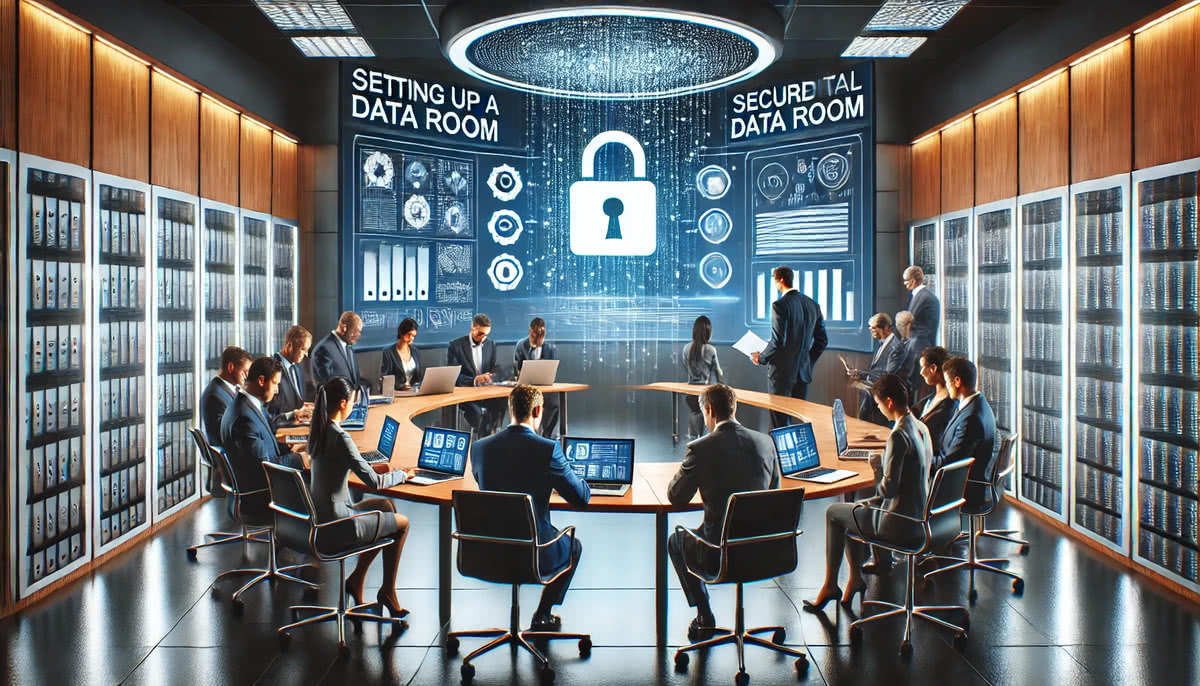
Knowledge of the Role of a Secure Virtual Data Room.
In the modern digital-first business environment, organizations deal with large volumes of sensitive data on a daily basis. Financial records, legal documents, intellectual property, and confidential communications all require secure data room accurate, meticulous storage and sharing. Secure virtual data rooms are the solution to this requirement as they offer a secure online environment where confidential documents can be accessed, reviewed, and handled without jeopardizing security. These rooms are designed specifically to safeguard important business information and facilitate easy cooperation between authorized individuals unlike the traditional physical rooms or simple cloud storage.
What is a Virtual Data Room Secure?
Security is not a single feature, it is a layered system that is aimed at reducing risk at each level of data processing. A safe virtual data room usually employs high-level encryption to secure files on transit and storage. Access controls allow administrators to determine precisely who is allowed to view, download, or edit documents, minimizing unauthorized exposure. Other controls like multi-factor authentication, session timeouts, and activity tracking provide transparency and accountability, which enables organizations to track the use of data without interfering with the workflow.
The Reason why Businesses Depend on Secure Virtual Data Rooms.
Industries cannot do without secure virtual data rooms. They allow buyers and sellers to share sensitive financial and legal documents effectively in due diligence in mergers and acquisitions. They offer a secure platform of sharing case files in legal proceedings and ensure high levels of confidentiality. These platforms are also used by investment firms, healthcare organizations, and technology companies to safeguard sensitive records. One of the key benefits is accessibility: authorized users can access documents safely and without delays regardless of their location, without the need to meet physically or communicate in bits.
Making Collaboration Smoother and Privacy-Preserving.
Teamwork usually involves several stakeholders reading the same documents simultaneously. This can be done in a secure virtual data room without the generation of uncontrolled copies of files. Version control helps to make sure that everyone is working with the latest information, and permission settings help to avoid accidental changes or data leakage. This openness and restriction balance allow teams to operate fast, make informed decisions, and keep trust, all without jeopardizing sensitive data.
Data Organization and Efficiency.
In addition to security, virtual data rooms enhance efficiency due to the structured organization. The documents may be sorted into folders, labeled to be easily searched, and indexed to be easily retrieved. This organization is particularly useful when it comes to complicated transactions when thousands of files need to be checked within strict deadlines. Improved search capabilities allow users to find particular documents or keywords in a few seconds, which saves time and eliminates frustration, particularly during stressful moments.
Audit Trails and Compliance Support.
The issue of regulatory compliance is on the increase across the globe. Secure virtual data rooms facilitate compliance through the maintenance of detailed audit logs that trace all activities performed in the platform. These logs indicate who viewed a document, when it was viewed and what actions were taken. This transparency is essential to internal governance, external audits, and regulatory reporting, and it gives a sense of peace that any interaction with sensitive data can be checked in case of necessity.
Minimizing Risk in High-Stakes Transactions.
Unsecured systems such as email or simple file sharing enhance the risk of data breach. Secure virtual data rooms minimize this risk by consolidating all document activity in a secure environment. Watermarking, limited downloads, and revocation of remote access are other features that reduce abuse. Although a user may need to be removed, permissions can be changed immediately without impacting other participants.
Adjusting to a Remote and Digital Workforce.
Remote and hybrid work models have become the norm, and secure digital infrastructure is a necessity. Virtual data rooms facilitate this transition by allowing safe cooperation despite the location. The teams are able to operate in different time zones and still achieve the same data protection as in a conventional office. This flexibility renders secure virtual data rooms a permanent solution and not a short-term tool.
Security as a Strategic Decision.
The use of a secure virtual data room is not just a technical decision, but a strategic one. It is an indication of an organization that is dedicated to data protection, professionalism, and efficiency in its operations. Businesses that manage sensitive information in a responsible manner are trusted by their clients, partners, and investors.
Conclusion
The use of secure virtual data rooms has transformed the way organizations handle and share confidential information. They provide a stable solution to the current data issues by integrating high-level security, systematic structure, and smooth cooperation. In a world where data breaches may hurt reputations and derail operations, a secure data room is a proactive move towards long-term stability and trust.