Breaking Down The Different Types Of Non-Destructive Testing
Safety stays at the top of the list for most heavy industries. Non-destructive testing allows workers to check parts without causing any physical damage. It is a smart way to keep big projects moving forward safely.
Most companies choose these methods to save money and avoid sudden breakdowns. It provides a clear look at the health of a material or machine. Using these tools helps maintain high standards for every single part.

Visual And Surface Inspections
Visual testing is usually the first way to check for wear. Technicians look for cracks or rust on the outer shell of a part. It is a quick and cheap way to spot early trouble.
Finding surface cracks early keeps machines running longer. Experts agree that Shearography NDT works best for finding hidden strain in high-performance materials. This laser tech finds tiny flaws that human eyes usually miss.
Liquid penetrant is another choice for surface checks on non-magnetic items. A special dye leaks into cracks to make them visible under light. This simple trick reveals hidden breaks in a matter of minutes.
Volumetric Methods For Internal Checks
Checking deep inside a material requires tools that go through the surface. Ultrasonic waves travel through solid objects to find voids or gaps. This keeps heavy equipment safe for long-term use in the field.
A study noted the inspection market hit $7,055.4 million in 2025. This rise shows that more firms are spending on safety to avoid accidents. The high cost of failure makes these tools a necessity.
Radiography uses X-rays to take pictures of the internal structure. It works like a medical scan but for steel pipes or engine blocks. It is a standard way to verify the quality of new welds.
Magnetic And Electric Testing Styles
Magnetic particle testing is a great way to find cracks in iron parts. A magnetic field is applied, and tiny particles show where a break exists. It is often used on vehicle frames and large bridge supports.
A report noted North America held 35.80% of the market in 2025. This shows a strong focus on high standards across the entire continent. Companies there invest heavily in keeping their infrastructure in top shape.
Eddy current testing uses electric fields to find flaws in metal tubes. It is a fast way to check for thinning or corrosion on inner walls. Most refineries use this to prevent leaks in their cooling systems.
Common Applications And Industry Trends
Technology continues to change how experts look for material flaws. Robotics and smart sensors now reach places that are too tight for people. These new tools make the entire process much faster for big teams.
A market analysis listed services like visual, ultrasonic, and radiographic checks. They are used in many settings:
- Aerospace and flight parts
- Oil and gas pipelines
- Car and truck manufacturing
- Power plants and energy grids
These industries use a mix of tools to get the best results.
Many teams now use AI to look at the data from these tests. It helps identify patterns that might lead to a break in the future. This predictive style of work keeps factories running without any sudden stops.
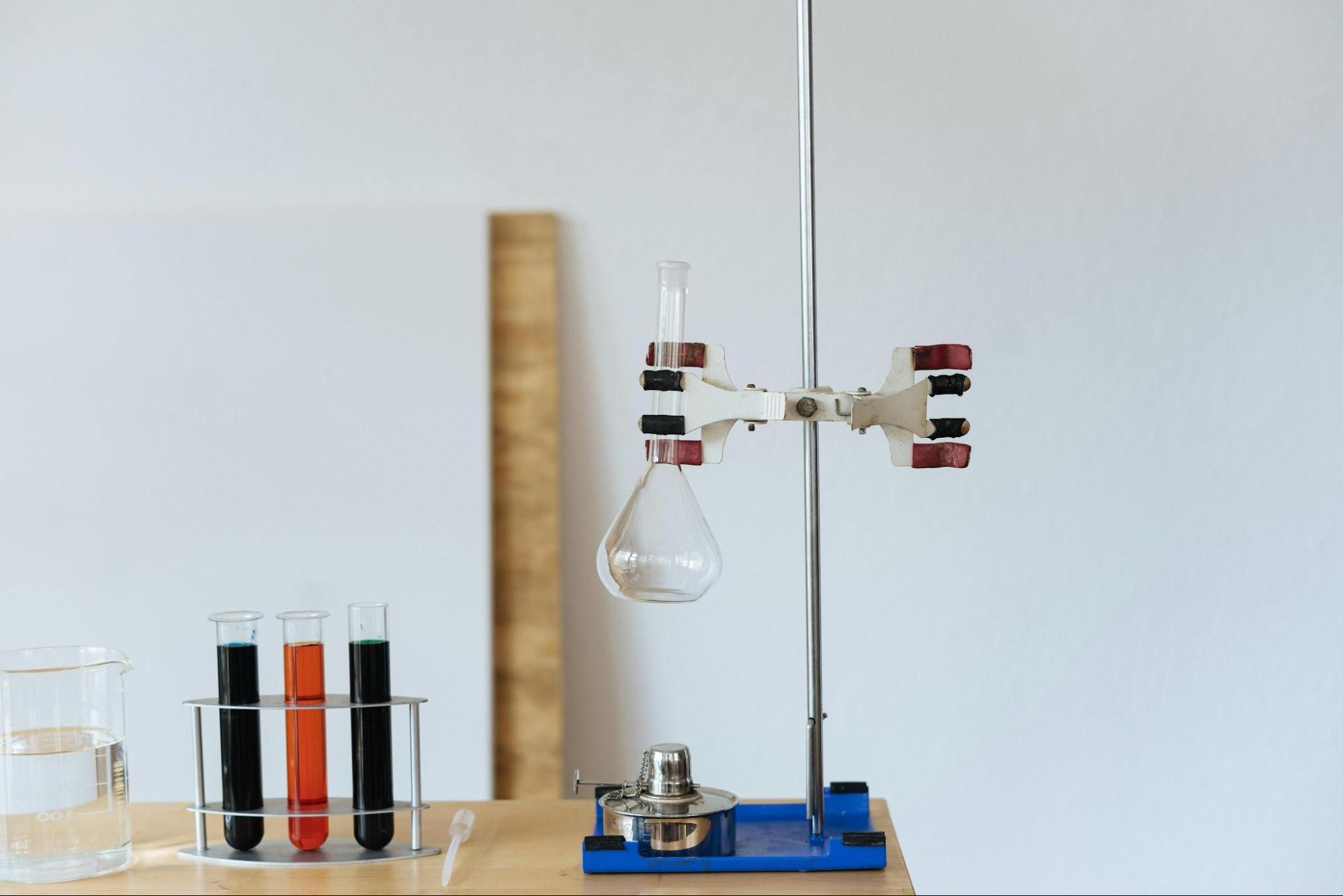
Choosing the right tool for the job is the best way to maintain safety. Each method offers a unique look at the strength of a part or material. This helps managers make smart choices about repairs and maintenance schedules.
The world of testing is always growing with new and faster options. Keeping things safe does not have to be a slow or difficult process anymore. It is a key part of building a reliable future for everyone.