A Full Guide To Useful Classroom Tools For Practical Lab Learning
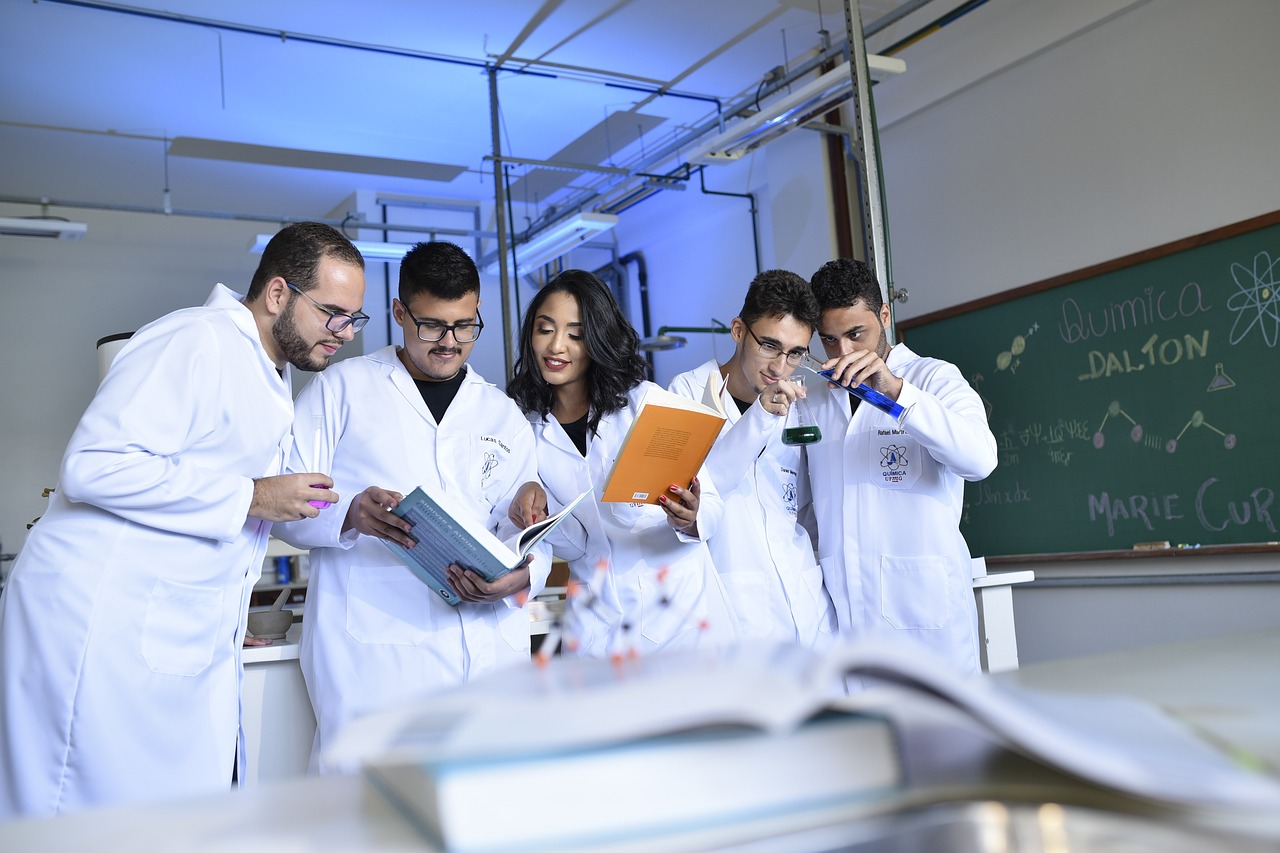
Practical labs help students see how science works, not just read about it. With the right tools and routines, you can turn short class periods into focused investigations.
This guide maps out classroom tools that make labs smoother, safer, and more meaningful. You will find planning tips, gear ideas, and strategies that fit real schedules.
Planning Practical Labs That Actually Work
Start with a question students care about, then pick tools that make the question testable. Small choices like cup size, stopwatch type, or where groups stand can make or break the flow.
Plan for tiny wins. Choose one skill to highlight per lab, and repeat it across units so students feel growth. Teachers can try options such as PASCO setups mid-unit to give students a consistent way to measure motion or temperature without losing time. Close each lab with a 3-minute reflection to connect data back to the question.
Make prep visible. Label bins, pre-measure materials when possible, and print a one-page overview for helpers. A clear materials map saves minutes and lowers noise.
Keep data simple on day one. Use just two variables, a clear table, and a quick sketch of the setup. Build toward more complex designs over time.
Equipping A Sensor-Rich Classroom
Start with a few rugged sensors that answer common questions in physics, chemistry, and life science. Temperature, light, and motion cover a surprising range, and they pair well with basic glassware and stands.
Think about the software as much as the hardware. Simple graphing that auto-scales and lets students tap to read values reduces cognitive load. Save default templates so classes launch fast.
Try hands-on demos before buying sets. An NSTA exhibitor workshop description noted that teachers can get direct experience with sensors, demo rigs, and software for graphing motion, which helps schools pick tools that match real tasks. Ask students to test too and gather their feedback after a trial run.
Protect your investment. Use labeled cases, short training videos, and a checkout board so items return to the same place. A 5-minute routine at the end of class keeps labs ready for the next group.
Safety And Classroom Management In Labs
Post quick rules where students stand. Eye protection, tied hair, and clear aisles are non-negotiable. Keep water, sand, and a spill kit within reach.
Make roles explicit. Assign data lead, materials lead, and reporter. Rotate weekly so every student practices each role across a unit.
Use voice and movement cues. A hand raised means stop and look up. A slow walk through the room during the first 2 minutes of data collection helps you catch risky setups.
Plan for early finishers. Offer extension measurements or a quick sketch to model the phenomenon. This keeps the room calm while others wrap up.
Building Data Skills With Simple Tools
Start with tables and quick sketches before fancy graphs. Students learn faster when they see the pattern first, then formalize it.
- Use timers, rulers, and sticky notes to anchor measurement ideas.
- These low-cost tools teach precision, units, and repeatability without tech hurdles.
Have groups run two trials and compare. Ask which value they trust and why. This nudges students to think about error and procedure.
Introduce graphing after the pattern is visible. Let students predict the slope or shape before they see the line. Short predictions make the reveal meaningful.
Scaffolds That Support Hands-On Learning
Give students lightweight guides that prompt action, not scripts. A simple setup diagram and a three-step checklist can reduce confusion and help groups self-start.
Keep checklists short. A classroom article explained that checklists build equipment-based skills like safe thermometer use and proper glassware handling, which makes labs smoother and safer for everyone. Model how to use a checklist as a thinking tool, not just a task list.
Offer sentence starters for claims and evidence. Students can say what happened, why it happened, and what they would change next time. This boosts confidence and clarity.
Add a quick peer review. Groups swap notebooks, read the claim, and underline the evidence. One minute of feedback improves the final share-out.
Blending Virtual And Physical Labs
Use virtual labs to preview hard procedures or rare phenomena. Students can practice the steps and enter a real lab ready to go.
Mix modes within a lesson. Start with a simulation to build a mental model, then test the model with a hands-on setup. The back-and-forth sharpens thinking.
Let students compare data types. They can check if simulated results match real measurements and explain gaps. That comparison builds healthy skepticism.
Save time by assigning the virtual piece as homework. In class, jump straight to the setup and measurement. This keeps the energy on doing and discussing.
Small changes can turn lab time into the best part of the week. When tools are easy to find, and routines are clear, students can focus on questions and evidence.
You do not need a room full of expensive gear to run great labs. Start simple, build consistency, and let students do the heavy lifting with data and ideas.