




Advertisement
Overview
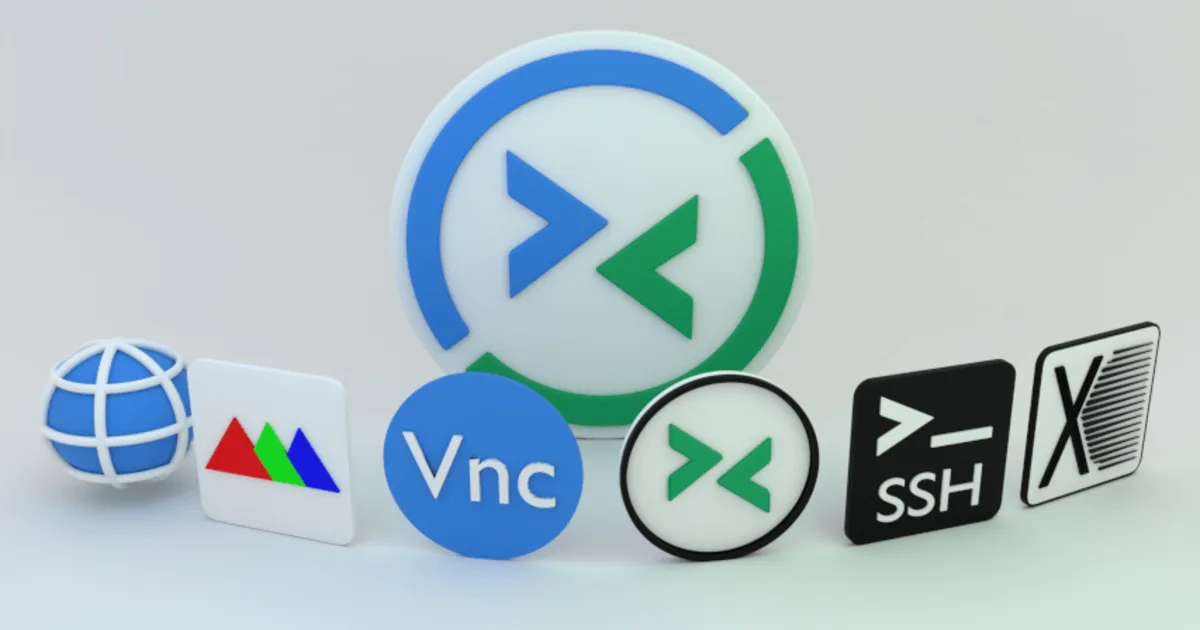
Remmina is an open source remote desktop client originally created by Vic Lee in 2009 and released under the GNU General Public License version 2 or later. Unlike remote-access tools that bundle their own proprietary server and client, Remmina is a connection client: it uses existing, widely supported protocols — RDP, VNC, SSH, SPICE, and X2Go, built largely on the FreeRDP library — to connect to remote machines running standard remote-desktop servers, rather than requiring a matching Remmina server on the other end.
Remmina has been Ubuntu’s default remote desktop client since Ubuntu 11.04, replacing the earlier tsclient, and remains widely packaged across mainstream Linux distributions. Its GTK-based interface lets users manage multiple saved remote connections across different protocols from a single application.
Key Features
- Multi-protocol support — Connects via RDP, VNC, SSH, SPICE, and X2Go from one client
- Connection profiles — Save and organize multiple remote connections with per-connection settings
- Remote desktop gateway support — Connect through an RDS gateway for RDP sessions in enterprise networks
- Plugin architecture — Protocol support and extra features are implemented as loadable plugins
- Tabbed and grouped sessions — Manage several simultaneous remote sessions in one window
- Built on FreeRDP — Uses the actively maintained, open source FreeRDP implementation for its RDP protocol support
Use Cases
- Connecting to Windows machines — Linux users accessing Windows desktops or servers over RDP
- Linux and Unix remote administration — Using VNC or SSH to manage remote Linux and BSD systems
- Accessing virtual machine consoles — SPICE support for connecting to VM consoles, including those managed by
virt-manager - Cross-protocol IT support — Administrators who need one tool to reach machines exposing different remote-access protocols
Who It’s For
Remmina is aimed at Linux and BSD users who need a client to connect to existing RDP, VNC, SSH, SPICE, or X2Go servers, rather than a full proprietary remote-access platform with its own client-server ecosystem. It’s a natural default choice on Linux desktops where the remote machine already runs a standard remote-desktop server, and pairs well with self-hosted tools like RustDesk when the remote end also needs a modern, open source server component.
Advertisement