6 commercial roofing innovations for businesses
Commercial building owners constantly look for ways to lower overhead costs and prolong facility lifespans. Modern commercial roof designs have moved far beyond standard asphalt and gravel applications. Upgrading top structure materials yields substantial energy savings, reduces structural wear, and offers long-term protection against severe weather events.
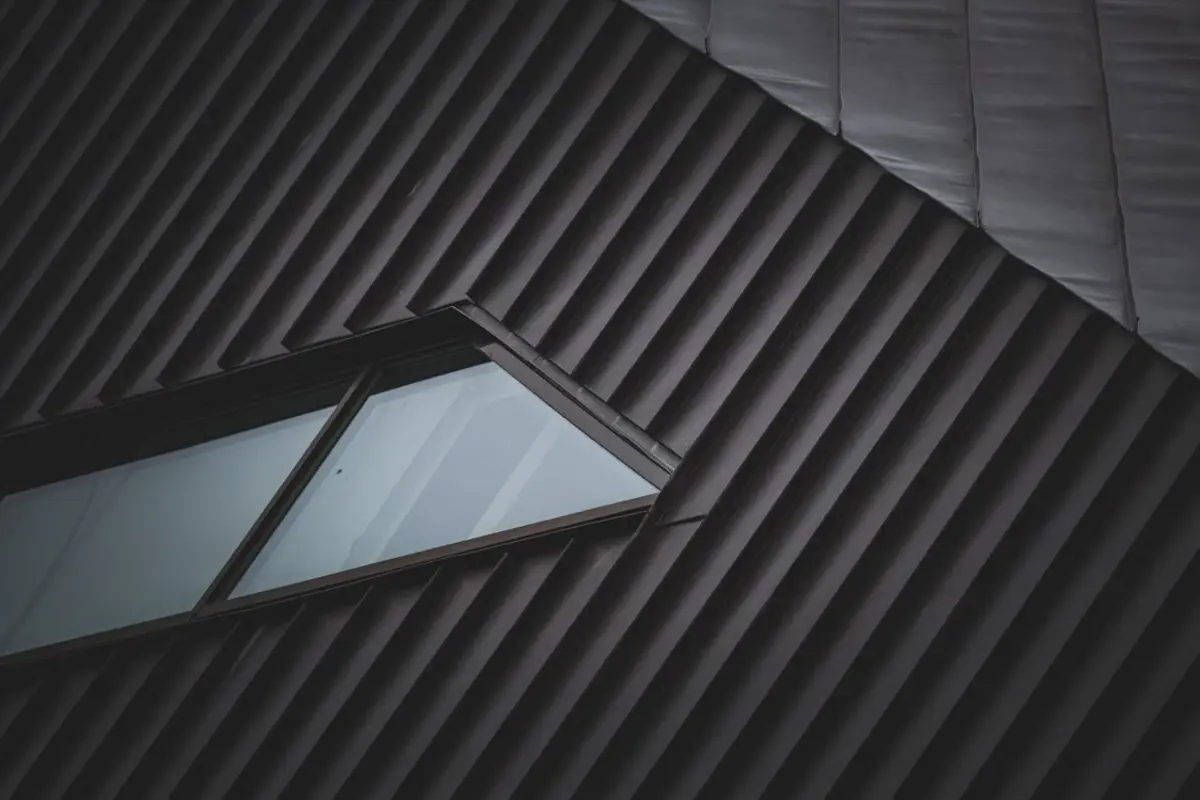
Advanced synthetic single-ply membranes
Commercial property management requires staying current on modern building materials. Facility directors often view the service page when upgrading commercial structures. Professional installers can assess existing setups and recommend long-lasting synthetic options tailored to local climate conditions.
Synthetic materials like thermoplastic polyolefin offer strong resistance against ultraviolet radiation and heavy chemical exposure. These lightweight covers seal tightly at seams through heat welding, preventing moisture intrusion across broad surface areas.
Business owners gain predictable protection with minimal ongoing maintenance requirements. Flexible membrane choices perform well under dramatic temperature swings.
Eco-friendly vegetated roof systems
Planted rooftop installations transform plain commercial tops into active green spaces. Official government facility clearinghouse reports highlight how planted roof systems save energy, slow stormwater runoff rates, and bolster biodiversity. Urban property owners gain extended roof lifespans by sheltering underlying layers from weather extremes.
Stormwater management represents another big advantage for commercial properties. Research from regional planning agencies confirms green roofs reduce peak discharge rates of stormwater by 50% to 90% compared to conventional roofs.
Retaining rainwater on site eases pressure on municipal drainage systems during heavy downpours. Living systems assist with thermal insulation throughout cold winter months.
Green roofs work best when you design them for your building and local weather. Make sure the roof can hold the weight of soil, plants, and water before you start. Pick native plants that need less water — they are easier to care for.
Check drains often to keep them clear. Stop roots from damaging the waterproof layer. With good planning and regular care, green roofs help you save energy, manage stormwater, and make your roof last longer.
High-reflectivity coating systems
Applying specialized coatings onto existing commercial roofs provides a cost-effective performance boost. Federal environmental guidance indicates solar reflectance from a cool roof can reduce peak cooling demand by 11–27%. Lower energy consumption during peak summer periods directly reduces monthly utility expenses.
Bright top layers dramatically limit thermal absorption throughout hot months. Data from energy efficiency programs demonstrates a clean white roof that reflects 80% of sunlight will stay about 50°F cooler than a grey roof that reflects only 20% of sunlight.
Keeping surface temperatures lower prevents structural material breakdown. Facility managers stretch maintenance budgets further by delaying full roof replacements.
Building-integrated solar photovoltaics
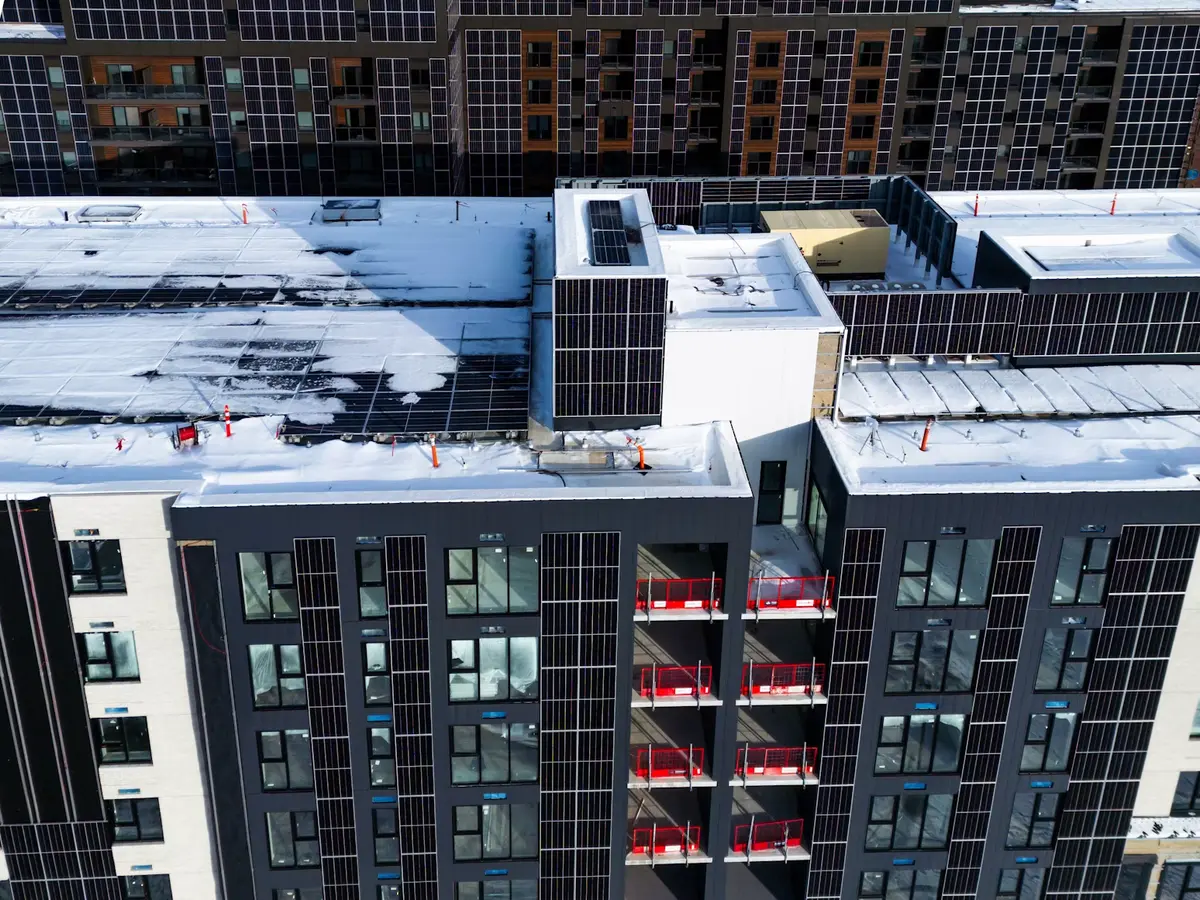
Modern commercial facilities increasingly harvest clean energy directly from their top structures. Federal energy education documents explain that photovoltaic cells convert sunlight directly into electricity, with electricity-generating capacity increasing based on panel surface area. Facility managers offset facility operational power costs by utilizing empty roof footprints.
Integrating panels during original construction streamlines structural support framing. Solar setups can sell surplus electricity back to local power grids, turning routine shelter into a consistent revenue source.
Clean energy generation strengthens corporate sustainability metrics while cutting electrical expenses. Strategic rooftop solar arrays provide long-term energy price predictability.
Regional heat mitigation technology
Commercial properties play a major role in surrounding municipal climate dynamics. Studies from academic green research manuals show installing cool roofs throughout a metropolitan region can reduce the urban heat island effect by 2 to 3°F. Cooler ambient neighborhood temperatures decrease strain on commercial air conditioning equipment.
Lowering urban surface temperatures creates a healthier environment for neighboring communities. Widespread adoption of reflective surfaces helps lower summer smog formation in major metropolitan corridors.
Commercial enterprises demonstrate positive community stewardship through smart roof selections. Reduced local heat levels benefit surrounding commercial zones.
Smart sensors and maintenance systems
Real-time digital monitoring systems help commercial building owners detect minor issues before expensive structural damage occurs.
Electronic leak detection networks run quietly under membrane layers to locate moisture entry points precisely. Commercial property managers benefit from several primary diagnostic upgrades:
- Moisture detection sensors embedded directly inside insulation layers.
- Thermal imaging technology identifying insulation voids across wide roof spans.
- Automated drainage monitors checking for standing water after storm events.
Deploying modern sensor hardware eliminates guesswork from routine maintenance inspections. Early warning alerts allow maintenance crews to address small punctures long before interior spaces suffer water intrusion.
Facility operators protect internal assets and avoid costly operational downtime. Precise diagnostics make preventative maintenance simple and effective.
Adopting innovative roofing materials gives commercial facilities a strong operational advantage. Upgrades lower utility costs, improve storm resilience, and extend total building lifespans. Investing in modern overhead technology protects structural assets for decades.
Comments
Comments are loaded when you choose to open them, which keeps the page faster and lighter.