Controlled Credibility Presentation in Attorney Websites
Trust plays a central role in the relationship between legal professionals and potential clients. Unlike many purchasing decisions, the selection of an attorney often occurs under conditions of uncertainty, limited knowledge, and significant personal or financial risk. Users rarely possess the expertise necessary to independently evaluate legal competence, creating a situation of informational asymmetry where trust must be established before any direct professional interaction occurs. In digital environments, this process begins long before consultation and depends heavily on how information is structured, presented, and interpreted by visitors.
Attorney websites serve as important credibility-building systems within this context. Visitors look for signals that indicate expertise, reliability, and professionalism while simultaneously assessing whether a legal specialist understands their needs. Professional biographies, practice area descriptions, case-related information, educational credentials, publications, recognitions, and communication style all contribute to trust formation. However, credibility is not created through information volume alone. The effectiveness of these signals depends on how they are organized into a coherent structure that supports understanding while reinforcing professional authority.
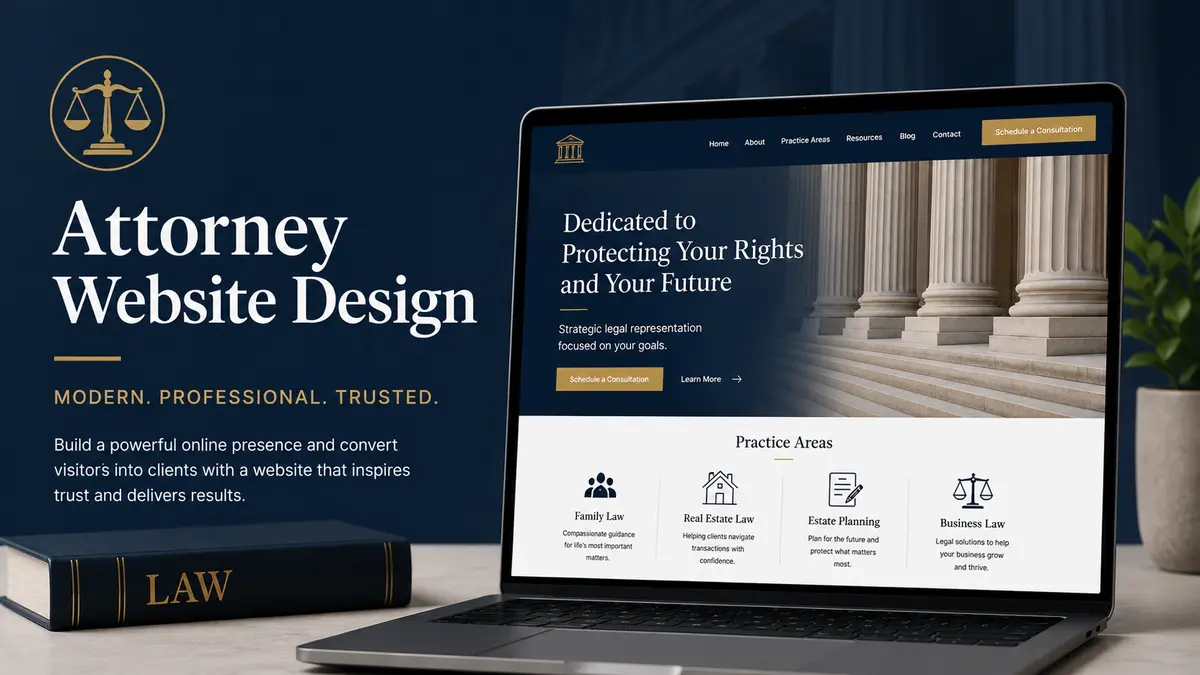
The credibility architecture of attorney websites is built upon a combination of informational hierarchy, authority indicators, and carefully controlled case presentation. Users often evaluate expertise through visible evidence of experience, but they also rely on the overall organization of information to determine whether a legal practice appears trustworthy. Structured navigation, clearly defined service categories, transparent attorney profiles, and thoughtfully presented case examples help create confidence in the firm’s capabilities. These principles increasingly influence approaches to legal digital strategy, including frameworks associated with https://looksgreat.studio/law-firm-website-development/, where information architecture is designed to support credibility without overwhelming users. The arrangement of information itself becomes a trust signal, communicating professionalism through clarity and consistency.
One of the most important challenges in legal communication is balancing transparency with confidentiality. Potential clients often seek evidence that an attorney has successfully handled situations similar to their own. Case studies, legal outcomes, and practical examples can provide reassurance and demonstrate expertise. At the same time, legal environments require careful management of sensitive information. Excessive disclosure may compromise privacy expectations, create ethical concerns, or undermine professional integrity. As a result, effective credibility presentation focuses on communicating experience through generalized outcomes, anonymized scenarios, practice-specific insights, and process-oriented explanations rather than revealing identifiable client details. This approach allows expertise to remain visible while preserving the confidentiality that clients expect from legal professionals.
The relationship between expertise and discretion is particularly important because trust is built not only through what is communicated but also through how information is controlled. Visitors often interpret careful handling of sensitive information as evidence of professionalism. A website that demonstrates restraint in case presentation can reinforce the perception that client interests are treated with respect. Consequently, controlled informational exposure becomes a strategic component of credibility architecture rather than a limitation on communication.
Several structural elements contribute to stronger credibility presentation within attorney websites:
- Clearly organized attorney biographies and qualifications.
- Consistent descriptions of legal services and practice areas.
- Anonymized case examples that demonstrate experience without exposing clients.
- Transparent explanations of legal processes and expectations.
- Professional visual design that supports clarity and trust.
- Structured navigation that helps users find relevant information efficiently.
Together, these elements help create an environment where authority is communicated through organization and professionalism rather than excessive self-promotion.
Trust perception can decline when credibility signals appear inconsistent or poorly structured. Contradictory messaging, fragmented information hierarchies, or unclear descriptions of expertise may create uncertainty about the firm’s capabilities. Similarly, excessive informational exposure can sometimes weaken credibility rather than strengthen it. Overly detailed case disclosures, exaggerated claims, or large volumes of unstructured content may distract users from the most meaningful indicators of expertise. In legal environments, confidence is often supported by precision, clarity, and disciplined communication. When information lacks structure, visitors may struggle to evaluate the firm’s qualifications and become less certain about its reliability.
Communication consistency also plays an important role. The tone of content, visual presentation, attorney profiles, and informational resources should reinforce a unified professional identity. A coherent communication framework helps users interpret credibility signals more efficiently because each element supports the same overall perception of expertise and trustworthiness. This is one reason why lawyer website design increasingly focuses on system-level consistency rather than isolated design components. Likewise, attorney website design benefits from aligning content structure, navigation, and authority indicators within a single credibility framework.
Effective trust formation in attorney websites depends on more than displaying credentials or showcasing legal experience. Credibility emerges from a carefully structured system where expertise is communicated through organized information, professional clarity, and responsible management of sensitive content. When legal knowledge is presented within a confidential framework that respects client privacy while demonstrating competence, users can evaluate professional authority with greater confidence. This balance between transparency and discretion creates a foundation for trust that supports meaningful engagement within legal digital environments.
Comments
Comments are loaded when you choose to open them, which keeps the page faster and lighter.