Why POV content is taking over social media
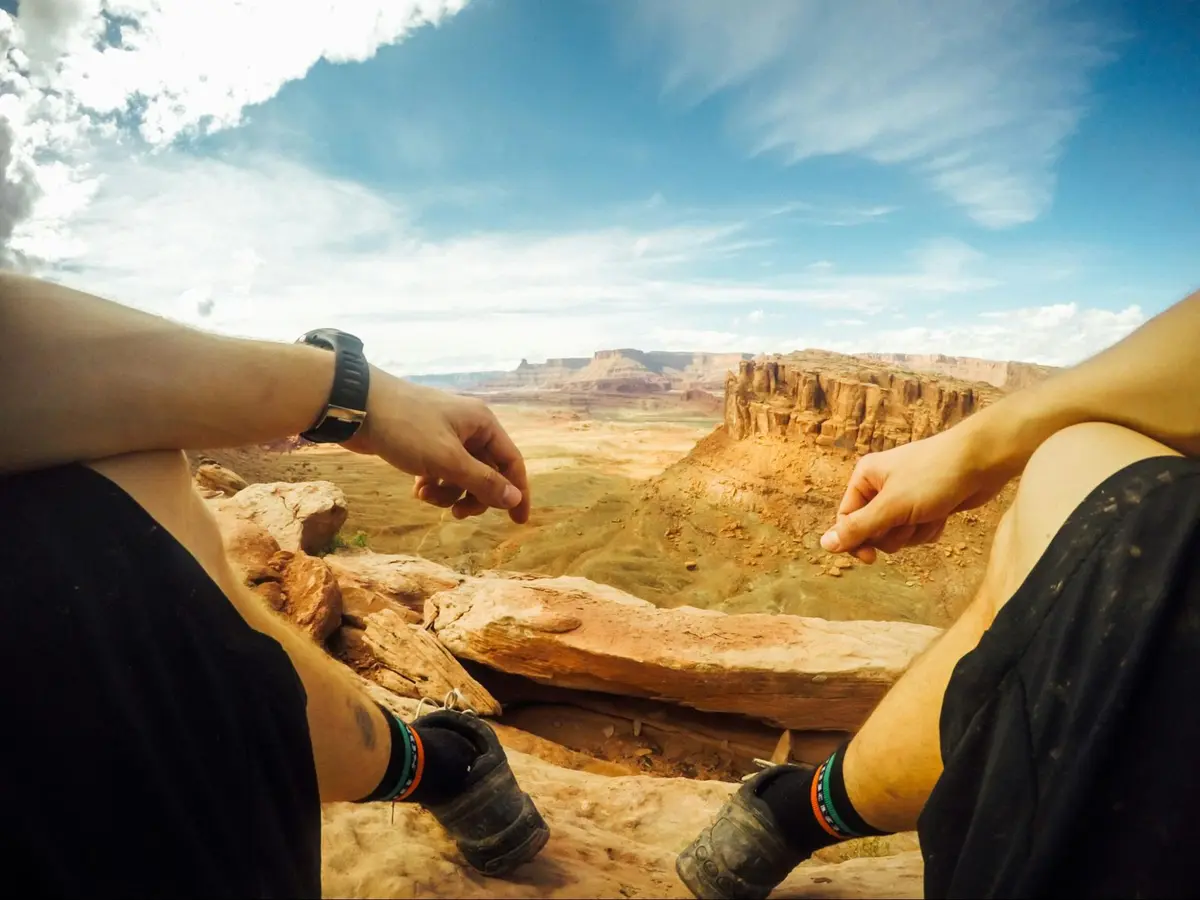
Scroll through TikTok or Instagram for more than a few minutes and a pattern shows up fast. A video of someone’s hands assembling a sandwich, filmed from where their eyes would be. A walk through a city street, seen exactly as the walker saw it. A car ride, a hike, a morning routine, all shot from the first-person perspective instead of the usual angle of someone holding a phone at arm’s length. Point-of-view content, or POV, has quietly become one of the most common formats on social media, and it’s not slowing down.
Why POV works so well
There’s a simple reason this format keeps performing well: it feels different from everything else in the feed. Most video content is still shot in third person, someone holding a camera, filming themselves or something in front of them. POV flips that. The viewer isn’t watching someone experience something, they’re placed directly into the experience itself. That small shift changes how a video feels to watch — it reads as more immediate, more personal, less like content and more like a moment someone happened to be there for. Platforms have noticed too, TikTok’s own creator guidance has highlighted first-person and POV formats as consistently high-performing styles across categories like food, travel, and daily life content.
What’s making this format accessible now
For a long time, filming genuine POV footage wasn’t simple. It usually meant a chest rig, an action camera clipped to a hat, or holding a phone at an awkward angle and hoping it looked natural in the edit. That barrier kept POV mostly in the hands of creators willing to invest in extra gear. That’s changed with the arrival of glasses that record video, which let anyone capture footage from actual eye level, hands-free, without rigging anything to their body first. The shift matters because it removes the setup step entirely. Someone can start recording the moment something interesting happens instead of missing it while reaching for a camera or adjusting a mount.
How this is changing what gets filmed
When the friction of setting up a shot disappears, the kind of content that gets captured changes too. A Pew Research Center report on social media habits has noted a broader shift toward more casual, less produced video content across major platforms, and POV formats fit that shift well since they read as spontaneous by nature rather than staged. Instead of a planned recording session, POV clips tend to come from moments that were already happening — a hike, a meal, a conversation — captured because the tool was already on and ready rather than because someone stopped to set up a shot. That rawness is part of the appeal. Viewers can tell the difference between a moment that was captured and one that was performed for the camera, and audiences have consistently responded better to the former.
Where this trend is heading
POV content isn’t likely to fade the way some formats do after an initial wave of novelty. It’s becoming a default way people document and share their own perspective, not a gimmick reserved for a specific content niche. As the tools that make hands-free, eye-level recording possible keep getting smaller and more normal looking, more everyday moments will end up captured this way simply because the barrier to doing so keeps dropping. What started as a niche filming style is turning into one of the more natural ways people show others what their day, their trip, or their moment actually looked like from the inside.
Comments
Comments are loaded when you choose to open them, which keeps the page faster and lighter.