5 best practices for a compelling video content strategy
Video is one of the most attention-catching, yet extremely complex content mediums. It is much easier to write plain text than to write a scenario and put it next to a meaningful set of visual components.
According to key statistics, video marketing offers the following benefits:
- One of the most popular ways to spend time on the Internet: by 2022, videos will make up more than 82% of all consumer internet traffic
- High demand: 54% of customers want to see more videos from their favorite brands and 72% of consumers would rather watch a video about the new product
- Leaves a long impression: content consumers remember 95% of the video message compared to 10% of the text
- Great ROI: 89% of video marketers got a good ROI, 83% of them believe it helps with lead generation, 87% of marketers notice a traffic increase after they added videos to their strategy. 80% of businesses say that videos helped them to increase sales
At the same time, you have to really work for it to get these great results. How do you catch the user’s attention? How do you make them stay for longer? What do you do to make them remember your video and your brand? Your digital marketing plan can either greatly benefit from video content or destroy the efforts you made before.
That is where a well-planned video content strategy comes in. Here are 5 tips to help you create videos that matter.
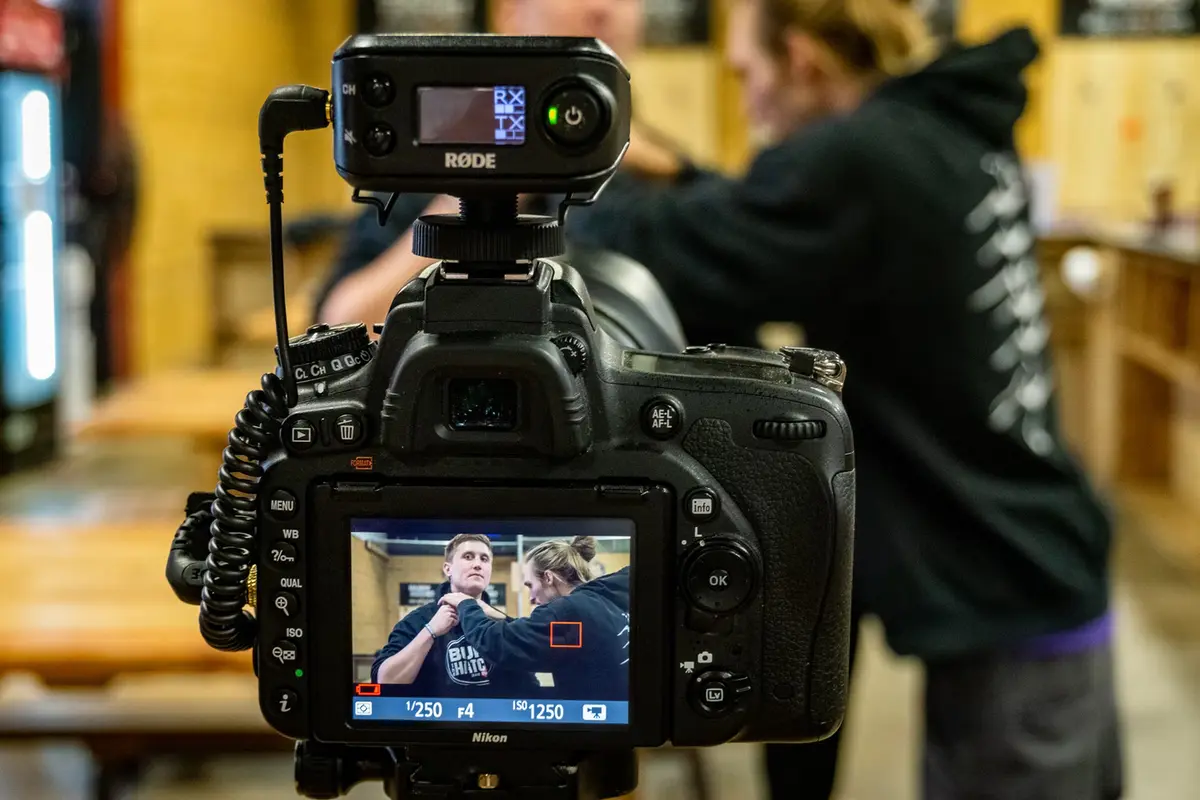
Taken from: https://unsplash.com/photos/qNzLI82MAso
#1 Get The Basics Straight
There are the most obvious and basic rules that marketers still forget about – it is the high value of what you show and the high quality of the image itself.
You can not create a great video without a thought-out scenario. A great idea and a beautiful location are not enough – it may seem like others had it easy and randomly but beautifully filmed many scenes. There is some improvisation, but in general, every second is a planned action that has meaning behind it and contributes to the message sent.
You also need to make sure that the video is of high quality: users want to see high resolution, especially if it is streamed via YouTube or HBO Max on TVs, as well as good lighting, bright colors, great post-editing like effects or blur via video editing software from Movavi or other.
#2 Have Video SEO
It might be a surprising thing, but videos have to be searchable as well, so an SEO strategy exists not solely for blog posts, landing pages, or the website’s homepage. People oftentimes search for video explanations or visual guides on how to perform the tasks, as well as video reviews. Therefore, it makes sense to use a few SEO strategies for video content.
When it comes to keywords, you can add them to your video title, description, tags, subtitles, and video sitemap. You can incorporate them into alt text as well. It does not, however, mean that you should be focusing on keyword staffing – first comes the user and, consequently, the meaning. Do it the same way you do in blogs – add a few words here and there, but only if it makes sense. The set of keywords in YouTube videos with no compelling title will not get you anywhere.
Another important strategy is link building, you should add them to video descriptions (link to related content, as well as your website and social media) and to certain timestamps if you use YouTube.
Finally, do not forget about mobile optimization: think about screen sizes, quick loading times with the option to go for worse quality, and a video thumbnail that will be readable even if the picture is small. You should also embrace the power of short videos if you aim for mobile views.
After you’ve implemented the best SEO strategies, make sure to check this guide to Google Analytics to learn how to analyze results of your efforts.
#3 Focus On Stories
Videos are for storytelling rather than direct sales. Everything that just shows the product from all angles is likely to get ignored and make users want to skip the ad as soon as possible. Why? Because it makes zero sense to watch till the end, there will be no big reveal in the last seconds.
So if you want to make them stay, throw a compelling conflict in the beginning and have a resolution in the end. You have around three seconds or less to make the viewer excited, so make sure you use them in the most productive way.
You can tell the story of your brand or your employees, how you decided to create the product, or make your product the center of the plot in a life situation that is familiar and relatable to your target audience.
Taken from: https://unsplash.com/photos/Un9uSIP_ewQ
#4 Make It Viewable With And Without The Sound
This tip has become extremely important after the introduction of silent autoplay and the rise of the popularity of mobile video viewing. It is a common situation when a person watches the video, among the other types of content, in a public space, and they have no access to headphones, or it is just too noisy to hear everything. As a result, 92% of people watch videos with the sound off on their mobiles.
Therefore, you should optimize for silence:
- Use captions, video transcription software can help greatly
- Do not rely on music or other sounds you can not caption for meaning
- Use strong visuals that do not need voice-overs
At the same time, it does not mean that you should forget about the sound completely. Consider that some users will actually listen to the sound.
#5 Do Not Forget About Call-To-Action
Call-to-actions matter, if you want the viewer to do something besides watching the video. The CTA will depend on the objective of the video overall, which is the first thing you should think about before writing down a scenario. You can ask users to not just buy or sign up, you can also encourage them to try something, subscribe to your channel, give your page a like, comment, share, check out more content, etc.
Conclusion
Videos are a powerful medium – 3 seconds of compelling, bright visuals can give you much more than a series of blog posts. However, it all depends on what you decide to show and tell: a script, a story, and an image can make it or break it.
Comments
Comments are loaded when you choose to open them, which keeps the page faster and lighter.