What is a landing page and how does it work
A landing page is a standalone web page created specifically for a marketing campaign. Unlike a traditional homepage that encourages visitors to browse multiple sections of a website, a landing page is designed around a single objective. Whether the goal is requesting a quote, making a purchase, booking a consultation, or downloading a resource, every element on the page is focused on guiding visitors toward that action. By eliminating unnecessary navigation and distractions, landing pages help businesses generate more leads and improve the effectiveness of their digital marketing campaigns.
Why Are Landing Pages Important?
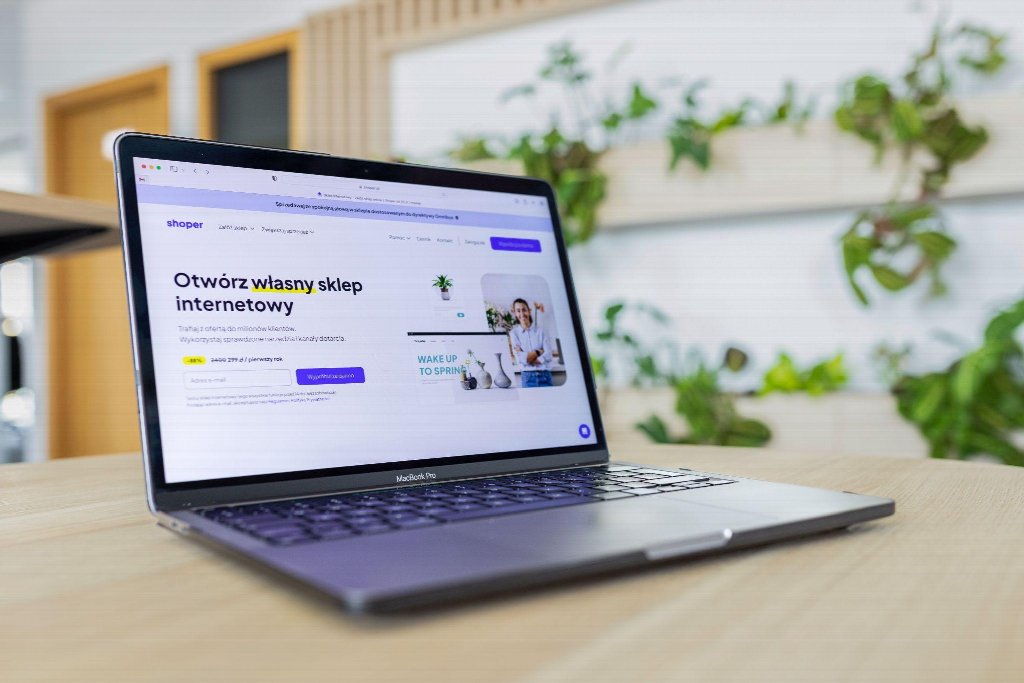
A website introduces your business, while a landing page is built to convert visitors into customers. Businesses often pair landing pages with their website to create focused marketing experiences that align with advertising campaigns, email marketing, and social media promotions. Instead of sending visitors to a homepage with multiple navigation options, a dedicated landing page encourages them to complete one specific action.
This focused approach typically results in:
- Higher conversion rates
- Better return on ad spend
- More qualified leads
- Easier campaign testing
- Clearer performance tracking
Unlike a traditional homepage, a landing page allows businesses to measure the performance of a single campaign more accurately. By focusing on one audience and one objective, marketers can identify what works, optimize future campaigns, and improve overall marketing efficiency.
Types of Landing Pages
Depending on your specific sector, target audience, and business model, your landing page can be tailored to match one of several distinct formats:
1. Lead Generation Landing Page
Also known as a “lead capture page” or “squeeze page”, it features a form designed to collect details like names, email addresses, phone numbers, and company sizes. B2B marketers use these to offer incentives like an ebook or webinar registration in exchange for contact info.
2. Click-Through Landing Page
Used by e-commerce and SaaS businesses, click-through pages educate visitors before directing them to a checkout page or purchase. The page lays out deep product benefits, addresses common customer objections, and features a simple button as the call to action that routes the user directly to the final transaction screen or app store.
3. Sales Landing Page
A long-form page engineered to secure an immediate, direct transaction. It combines compelling copy, product benefit breakdowns, pricing matrices, and secure payment processing forms right on the same layout, leaving no friction between reading the offer and purchasing.
4. Coming Soon Landing Page
Before a brand officially opens its doors, a coming soon page builds early community anticipation, captures initial email addresses, and encourages users to sign up for notifications before a product launch.

How Does a Landing Page Work?
A landing page guides visitors through a simple conversion process, leading them from their first click to completing a specific action.
1. Visitor Clicks a Link
Visitors typically arrive through:
- Paid Search — PPC ads on search engines
- Paid Social — Ads on platforms like Facebook, Instagram, and LinkedIn
- Email Campaigns — Marketing emails promoting a specific offer
- Organic Search — Visitors who find your page through search engine results
2. Visitor Lands on the Page
The landing page should match the message of the ad or email that brought the visitor there. A clear headline, focused content, and a prominent call-to-action help keep visitors engaged without unnecessary distractions.
3. Visitor Takes Action
The simpler the conversion process, the more likely visitors are to complete the desired action. Reducing unnecessary distractions and limiting choices helps improve conversion rates. With one clear objective, visitors are encouraged to complete the desired conversion, such as:
- Filling out a contact form
- Requesting a quote
- Making a purchase
- Booking a consultation
- Downloading a guide or registering for an event
Key Elements of a Successful Landing Page
To maximize conversions and protect your advertising investment, every landing page should include these essential elements:
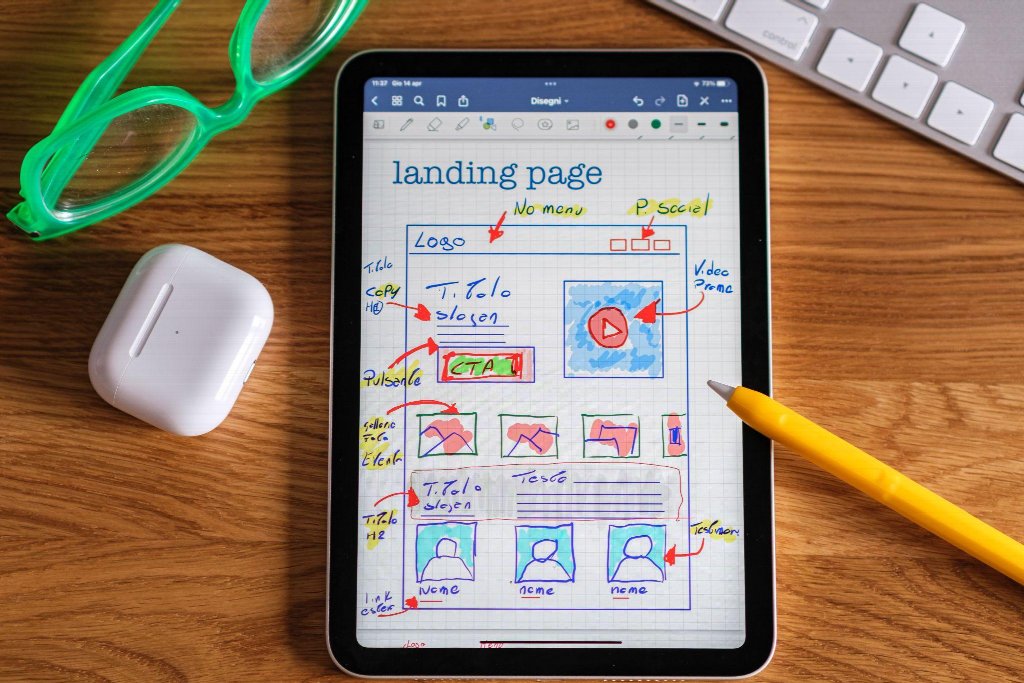
1. A Clear, Immediate Headline
Your headline should immediately explain the offer and match the visitor’s search intent or the ad they clicked.
2. Focused, Benefit-Oriented Copy
Keep your messaging clear and concise, emphasizing the benefits of your offer rather than technical details.
3. A Strong Call-to-Action
Include one clear CTA, such as “Request a Free Quote” or “Book a Consultation,” and repeat it strategically throughout the page so visitors always know the next step.
4. An Optimized Lead Capture Form
Keep forms short by requesting only essential information, such as a name, email address, phone number, and project details, to encourage more submissions.
5. High-Quality Visual Assets
Use relevant images or videos that support your message, showcase your work, and help visitors better understand your offer.
6. Social Proof and Trust Signals
Build credibility with customer testimonials, Google reviews, client logos, certifications, or case studies that reassure visitors before they convert.
7. A Mobile-Friendly Design and Fast Loading Speed
Ensure your landing page is fully responsive so it loads quickly and functions smoothly across smartphones, tablets, and desktops. Even a well-designed landing page can lose potential customers if it takes too long to load, particularly on mobile devices where users expect quick access to information.
Landing Page Best Practices
Building a high-converting landing page requires more than choosing a template. Following proven best practices helps create a better user experience and improve conversion rates.
1. Define a Clear Goal
Build the page around one objective, whether it’s requesting a quote, booking a consultation, or making a purchase. Every section should support that single goal.
2. Embrace Generous White Space
Use clean layouts with plenty of spacing to make content easier to read and help visitors quickly find important information.
3. Continuous A/B Testing
Test different headlines, calls to action, layouts, and form designs to determine which variations produce the highest conversion rates.
4. Focus on the Consumer
Write content that highlights the value visitors receive instead of simply listing company credentials. Emphasize benefits, solutions, and outcomes over business achievements.
5. Maintain Message Consistency
Ensure the landing page matches the messaging of the advertisement, email, or social campaign that brought visitors there. Consistent headlines, offers, and branding create a smoother user experience and improve conversions.
Landing Page Builders and Tools
Plenty of software tools and drag-and-drop builders exist today. They help marketers design landing pages and templates from scratch. But a tool is only as good as the hands using it. The effectiveness of a landing page depends less on the software used and more on the quality of its messaging, design, user experience, and optimization. Even the most advanced builder cannot compensate for unclear goals or poor page structure.
Why Templates Alone Fall Short
Templates can be a useful starting point, but they often lack the flexibility needed for effective marketing campaigns. Without proper optimization, responsive design, and lead tracking, businesses may lose valuable opportunities to convert visitors into customers.
Turn More Website Visitors into Customers
A successful landing page does more than attract visitors — it encourages them to take action. Investing in a professionally designed landing page with clear messaging, strong calls to action, and an optimized user experience can help businesses maximize their marketing efforts and improve conversion rates.
Frequently Asked Questions
Can a landing page exist without a website?
Yes. A landing page can function independently without a complete website. Many businesses use standalone landing pages for advertising campaigns, product launches, webinar registrations, or lead generation. Visitors can arrive directly from paid ads, emails, or social media without ever visiting a homepage.
How is a landing page different from a homepage?
A homepage introduces your business and encourages visitors to explore different sections of your website. A landing page has a much narrower purpose. It focuses on a single offer or action, such as requesting a quote, downloading a guide, or completing a purchase, with minimal distractions.
Comments
Comments are loaded when you choose to open them, which keeps the page faster and lighter.