Debian

Debian is one of the oldest and most influential GNU/Linux distributions. Developed independently by the Debian Project, it is known for stability, reliability, and its massive software repository. Debian serves as the foundation for many other Linux distributions, including Ubuntu, Linux Mint, Kali Linux, MX Linux, and Raspberry Pi OS.
The Debian project was founded in August 1993 by Ian Murdock with the goal of creating a completely free and community-driven operating system built around the principles of GNU and Linux. Over the years, Debian has grown into one of the largest collaborative free software projects in the world.
One of Debian’s biggest strengths is its package ecosystem. Debian provides access to tens of thousands of software packages through the APT package management system and official repositories. The distribution is widely used on desktops, servers, cloud systems, embedded devices, and development environments.
Debian supports multiple desktop environments, including GNOME, KDE Plasma, and Xfce. The installer also allows users to choose alternative environments such as LXQt, Cinnamon, MATE, and LXDE.
Debian Release Branches
Debian development is organized into three primary branches:
-
Stable: The officially released version of Debian with thoroughly tested packages. It is recommended for servers, production systems, and users who prioritize long-term stability and reliability.
-
Testing: A preview branch containing packages that are preparing for the next stable release. It generally includes newer software while maintaining reasonable stability.
-
Unstable (Sid): The active development branch where new packages first arrive before progressing to Testing. It is intended for developers, contributors, and advanced users who want access to the latest software updates.
Why Debian Is Popular
Debian remains one of the most respected Linux distributions because of its:
- Strong focus on free and open-source software
- Large and well-maintained package repositories
- Excellent stability for servers and workstations
- Wide hardware and architecture support
- Community-driven development model
- Long-term support releases
- Influence on major Debian-based distributions
Debian Package Management
Debian uses the APT package management system along with .deb packages. Users can install, update, and manage software using tools such as:
aptapt-getdpkg- Synaptic Package Manager
The package management system is considered one of Debian’s strongest features because of its reliability and extensive software availability.
Who Should Use Debian?
Debian is suitable for:
- Linux beginners looking for a stable experience
- Developers and system administrators
- Servers and enterprise environments
- Older hardware requiring lightweight setups
- Privacy-focused and open-source enthusiasts
- Users who prefer long-term stability over rapid changes
Frequently Asked Questions
Is Debian beginner friendly?
Debian has become more beginner friendly over the years, especially with improved installers and desktop environments. However, some beginners may find Ubuntu or Linux Mint easier initially because they include additional conveniences by default.
What desktop environment does Debian use by default?
Debian uses GNOME as the default desktop environment for its main installer image, but users can choose KDE Plasma, Xfce, LXQt, Cinnamon, MATE, and others during installation.
Is Ubuntu based on Debian?
Yes. Ubuntu is based on Debian and draws many packages from Debian’s development branches, while adding its own release process, repositories, patches, and support cycle.
What is Debian Sid?
Debian Sid is the codename for the Unstable branch, where active package development takes place before updates move into Testing and Stable releases.
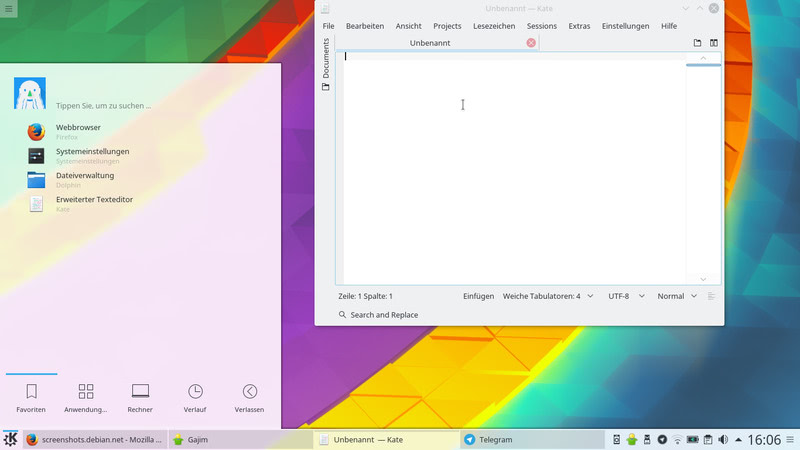 Debian Linux with KDE Plasma desktop
 | Status | Active |
| Home Page | https://www.debian.org |
| Page popularity | 37(11 hits per month) |
| Base distributions |
|
| Desktop Environments | |
| Distributions based on Debian |
|
| Releases | |
| Screenshots |
Other stories on Debian
- Q4OS 6.10 Andromeda Released with Debian 13.7 Base
- Mauna Linux 25.3 Released with Debian 13.6, APT 3.3, and Mesa 26.0.1
- SparkyLinux 8.4 Released with Restored 32-Bit Support
- Debian 13.6 Released: 124 Fixes, 120 Security Updates
- MX Linux 25.2 Released: Text-Mode Installer, Debian 13.5, and Linux 7.0 AHS
- Q4OS 6.7 Andromeda Released with Debian Trixie 13.5 Base
- Debian 13.5 Released: 103 Security Fixes and 144 Bug Corrections
- Mauna Linux 25.2 Released with APT 3.2, GIMP 3.2.2, and Calamares 3.4.2
- Raspberry Pi OS 6.2 Tightens Security with Password-Protected sudo
- Netrunner 26 Twilight Released with Plasma 6.3 and Linux 6.16
- antiX 26 Released: Debian Trixie, Five Init Systems
- SparkyLinux 2026.03 Released with Linux 6.19.6 and GCC15
- Debian 13 'Trixie' Released with Major Updates and New Architecture Support
- SpiralLinux 12.231001 Release: User friendly Debian-Based Linux
- LMDE 6 Faye released with Debian 12 Bookworm updates
- Debian 12 Bookworm released
- Debian 11 Bullseye released
- Debian 10 'buster' released, see screenshots
- Debian 9.6 fixes several security loopholes and critical issues
- Debian 9 Stretch installer rc1 released
- Debian 8.7 released with critical security fixes
What do you think about Debian?